

Buffer Thermal Balance Tank
Thermal Storage Solutions
Adequate buffer volume increases thermal capacity and steadies evaporator inlet/outlet temperature.
What is a buffer thermal balance tank?
Role of the Thermal Balance (Buffer) Tank
Adequate buffer volume increases thermal capacity and steadies evaporator inlet/outlet temperature.
System Stability
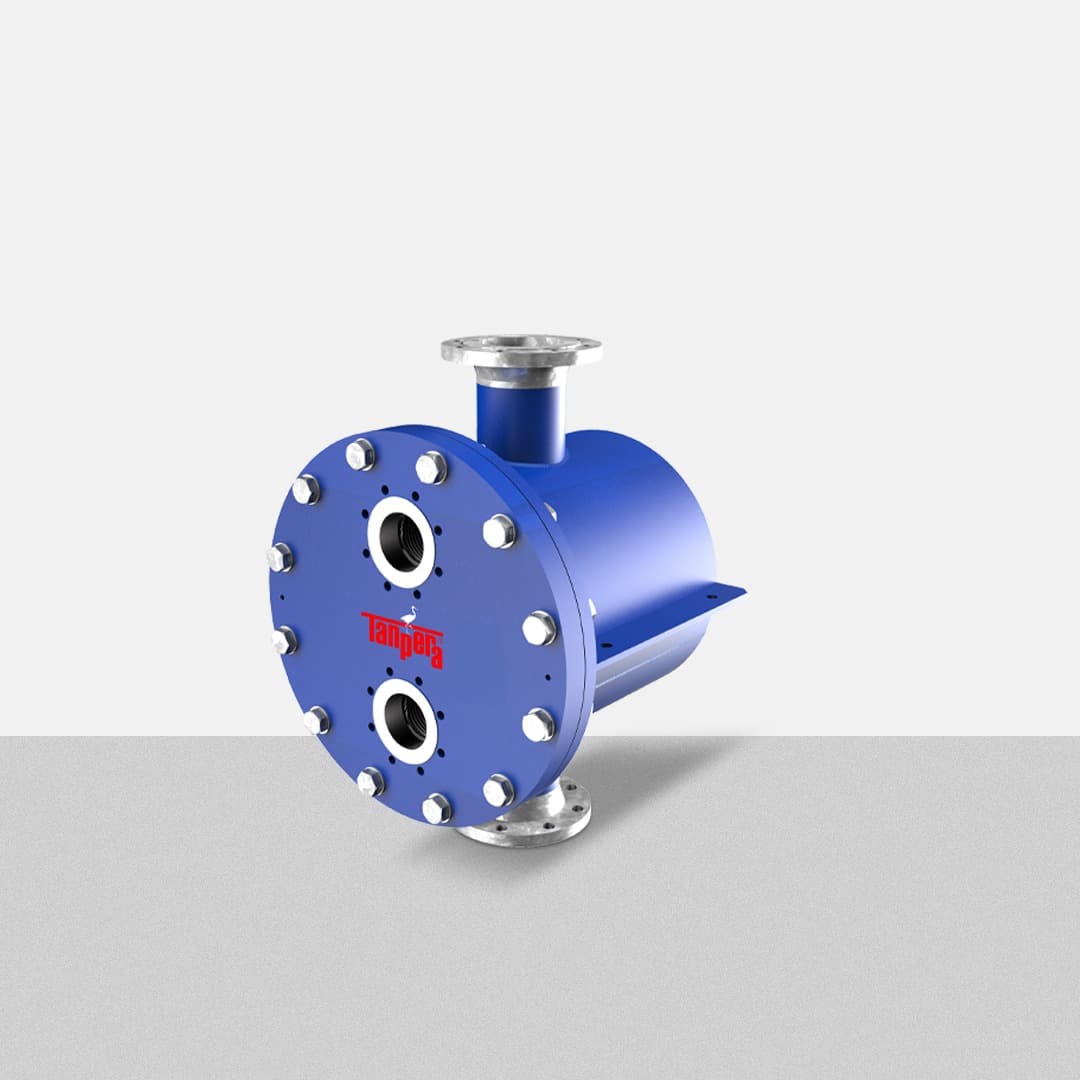
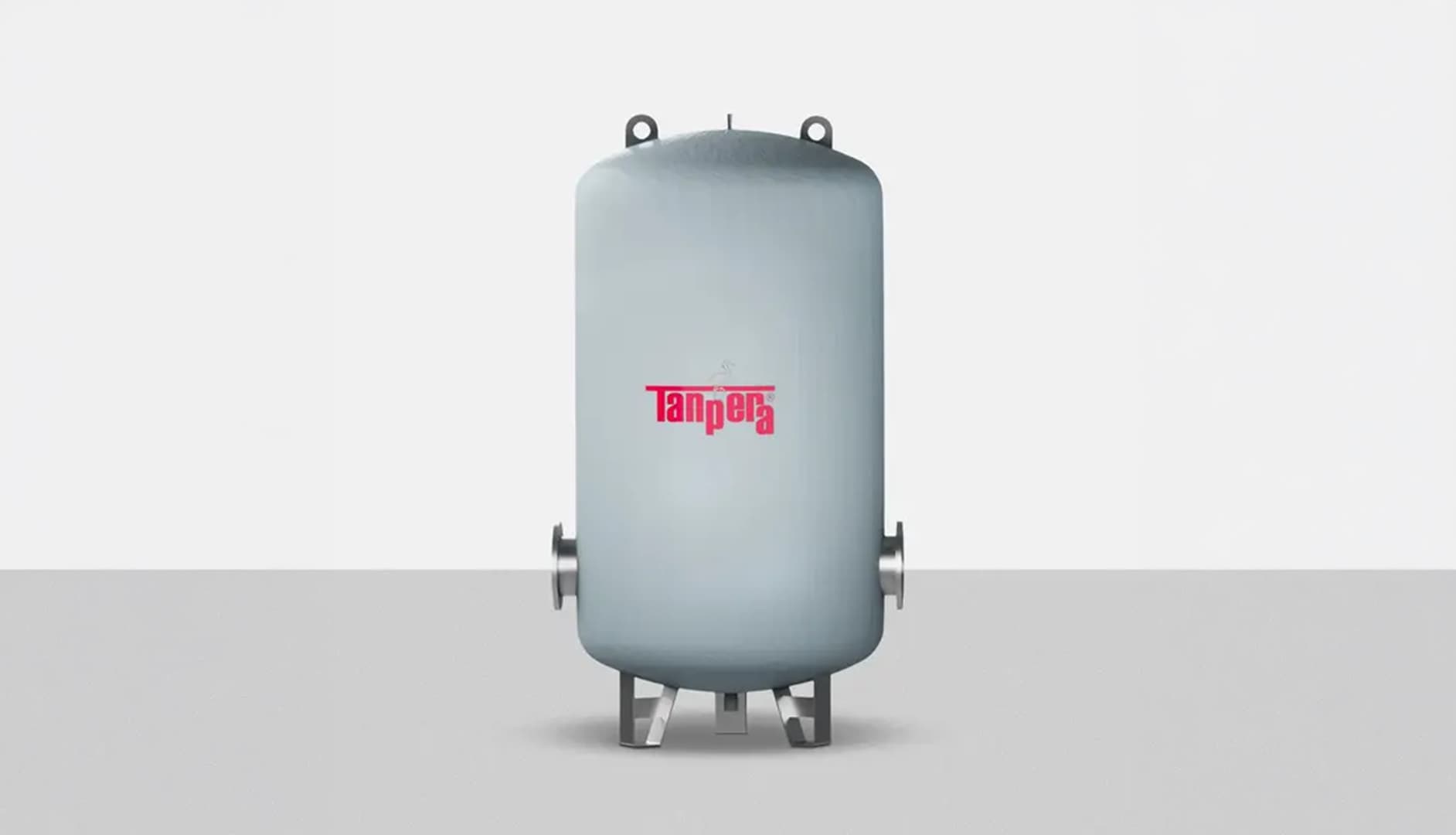
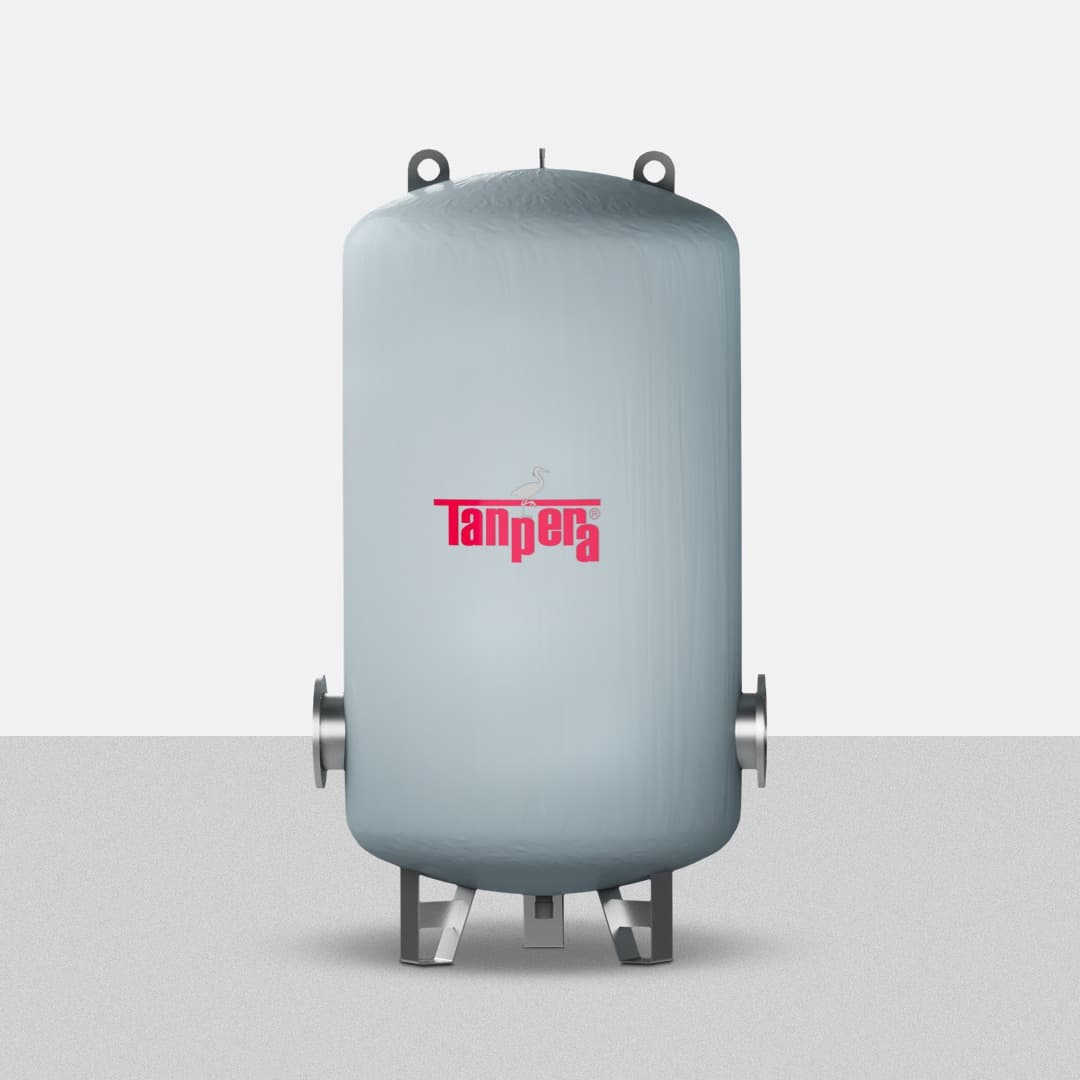
Adequate buffer volume reduces compressor start/stop frequency and improves energy efficiency. Tanpera BF tanks are supplied from 100–5000 litres, insulated, with flanged connections.
Key Features
- Increases system water volume in chilled-water applications.
- Baffle plates matched to tank volume for even distribution and air separation.
- Hydraulic balance in chiller and heat-pump circuits.
- Delivered insulated with a double anti-rust outer coat.
Installation and Commissioning
During commissioning, pressure testing, flow adjustment, and temperature control must be performed. The Tanpera technical team provides on-site support and training.
After-Sales Services
Frequently Asked Questions
A Buffer Thermal Balance Tank is a thermal balance vessel that provides additional water volume in closed-loop HVAC systems to absorb sudden load changes and reduce temperature fluctuations. It creates hydraulic balance in chiller and heat-pump circuits and is especially critical in variable-flow and multi-unit systems.
With insufficient water volume, the compressor cycles on and off frequently; this increases energy consumption and shortens equipment life. Temperature fluctuations negatively affect comfort and process stability. In data centers and precision cooling applications, buffer volume is especially essential.
Volume is calculated based on total system water quantity, rate of flow change, and allowable temperature deviation. As a general starting point, 10–25% of the chiller circuit volume is considered. The Tanpera engineering team determines the optimum volume from the project flow profile.
The shell is manufactured from carbon steel or stainless steel; insulated models minimize heat loss. Connections are sized as flanged or threaded to suit project pressure. Internal corrosion protection is selected according to operating temperature.
It is used in data center cooling, central chiller stations, heat-pump circuits, VRF/VRV secondary circuits, and industrial process cooling. A buffer tank is recommended for all systems with multiple units operating in parallel.
Adequate buffer volume reduces short-cycling and improves compressor efficiency. The system runs longer at stable flow and temperature; maintenance costs and failure risk decrease.
Tank, bypass, and main-line connections should be planned to achieve hydraulic balance; air venting and drainage points must be correctly located. Pressure relief and the expansion solution must be compatible with the system design.
You can download the English brochure and user manual as PDFs from the Documents tab on the product page. Up-to-date technical documents are published regularly in this section.
Submit your project details via the Quote Form on the product page, or contact our sales team at sales@tanpera.com. Our engineering team will contact you for sizing and pricing based on your project data.