

Spiral Heat Exchangers
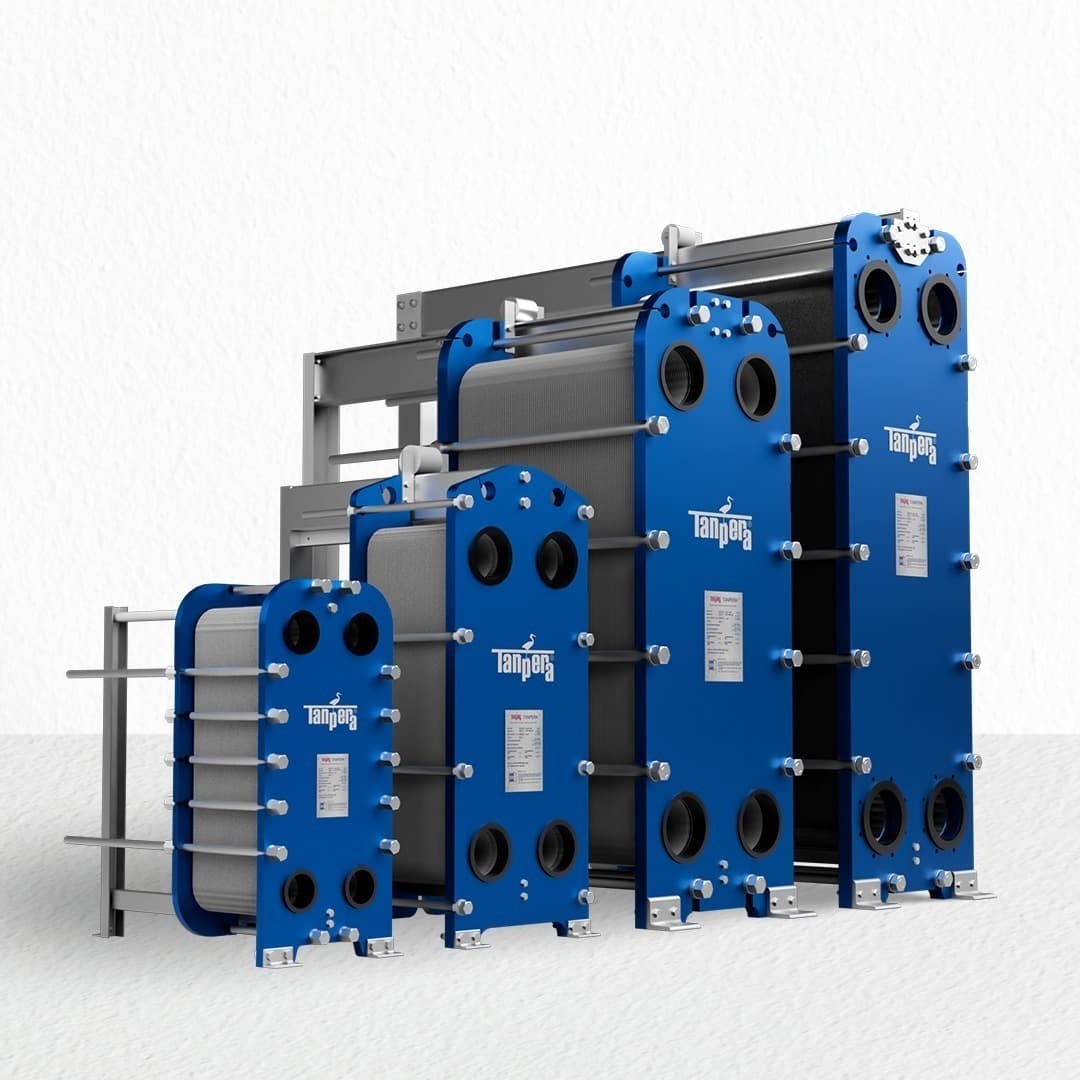
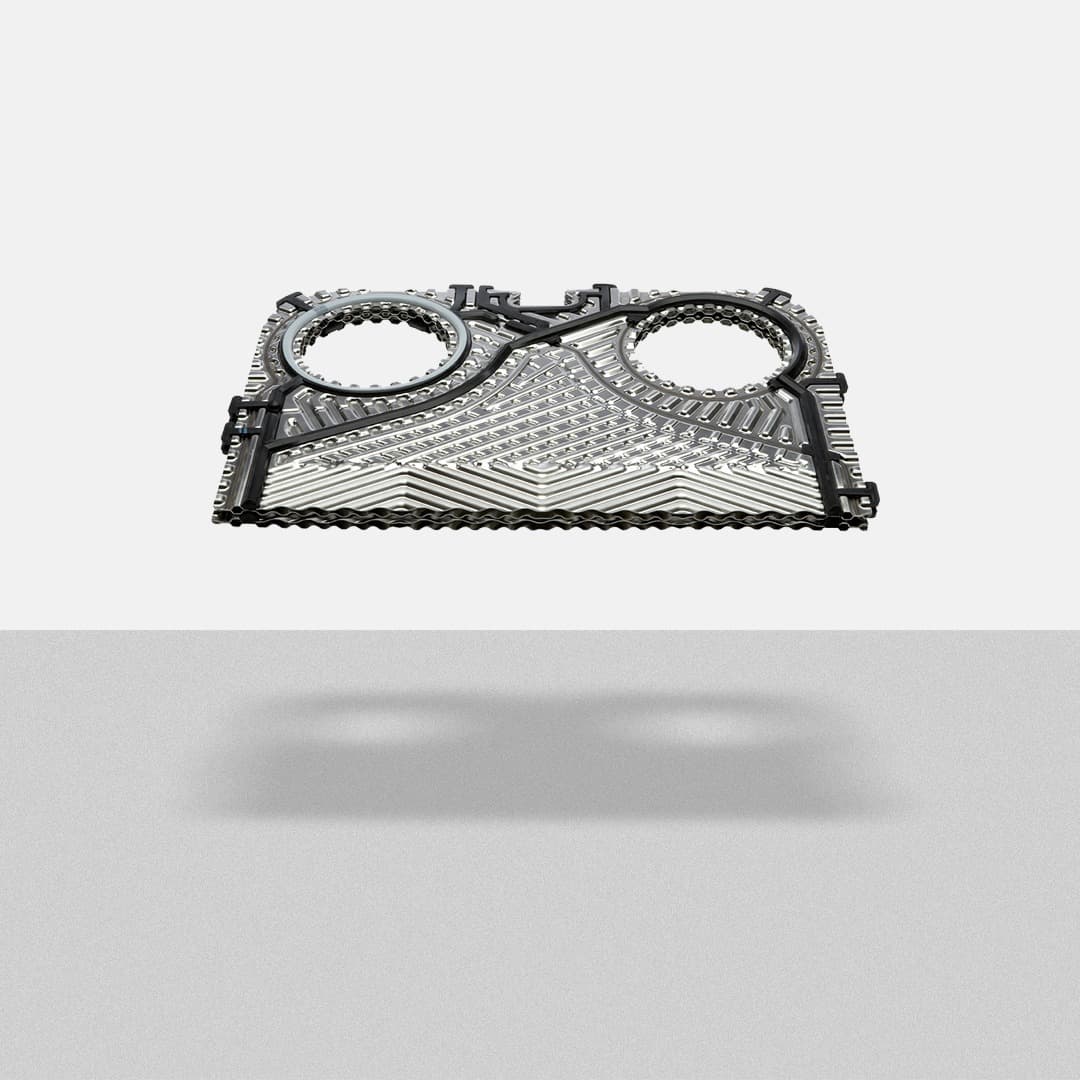
Plate Heat Exchangers
Single-piece or openable body options offer ease of maintenance.
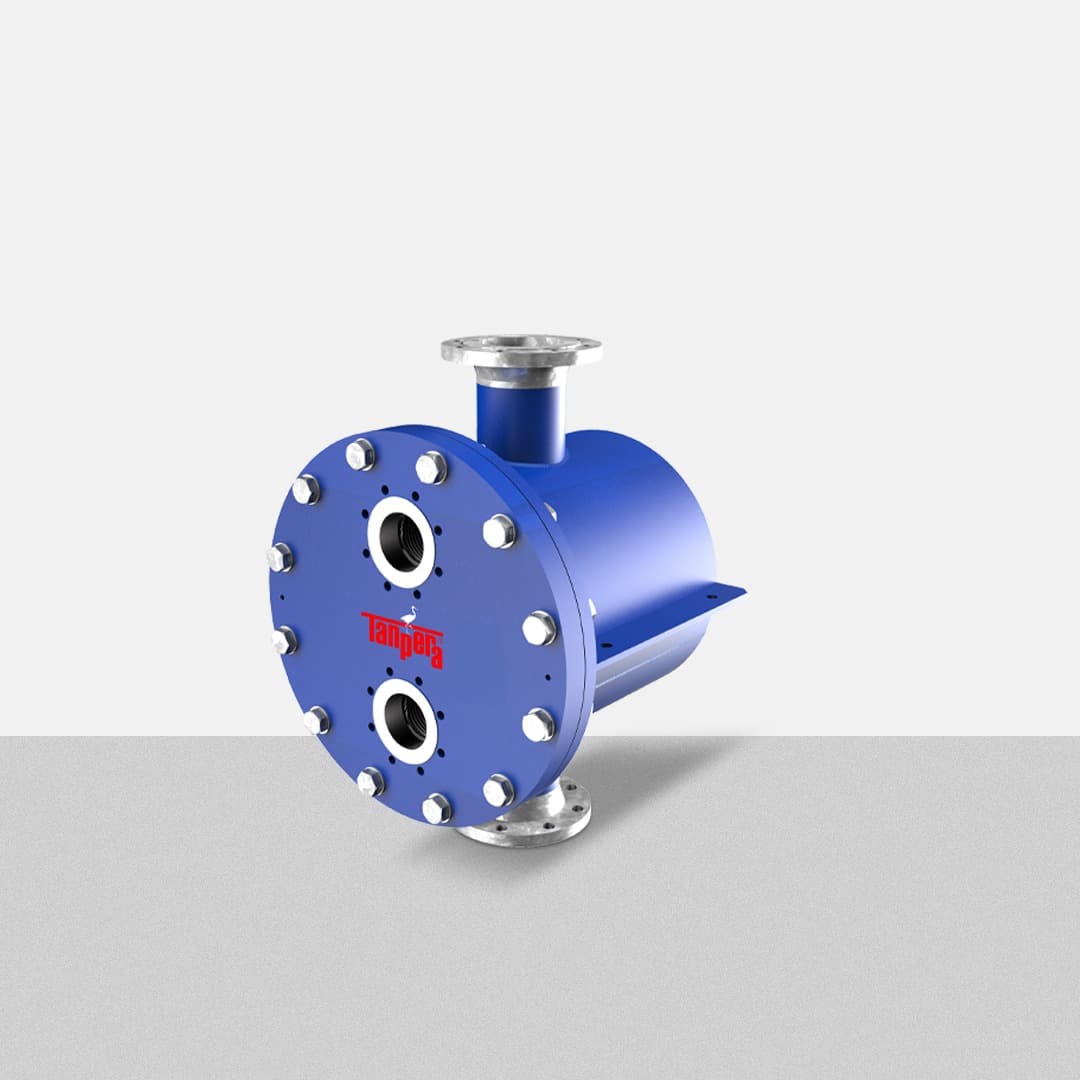
About Spiral Heat Exchangers
Spiral Channel Design
Durability and Efficiency
Single-piece or openable body options offer ease of maintenance.
Key Features
- Wide channel geometry keeps clogging risk low for particle-laden and high-viscosity fluids.
- Single-piece or openable body options provide easy maintenance and cleaning.
- Reliable heat transfer in wastewater, pulp, and chemical process lines.
Installation and Commissioning
During commissioning, pressure testing, flow adjustment, and temperature control must be performed. The Tanpera technical team provides field support and training.
After-Sales Services
System efficiency is preserved over the long term through periodic inspection and performance measurement.
Frequently Asked Questions
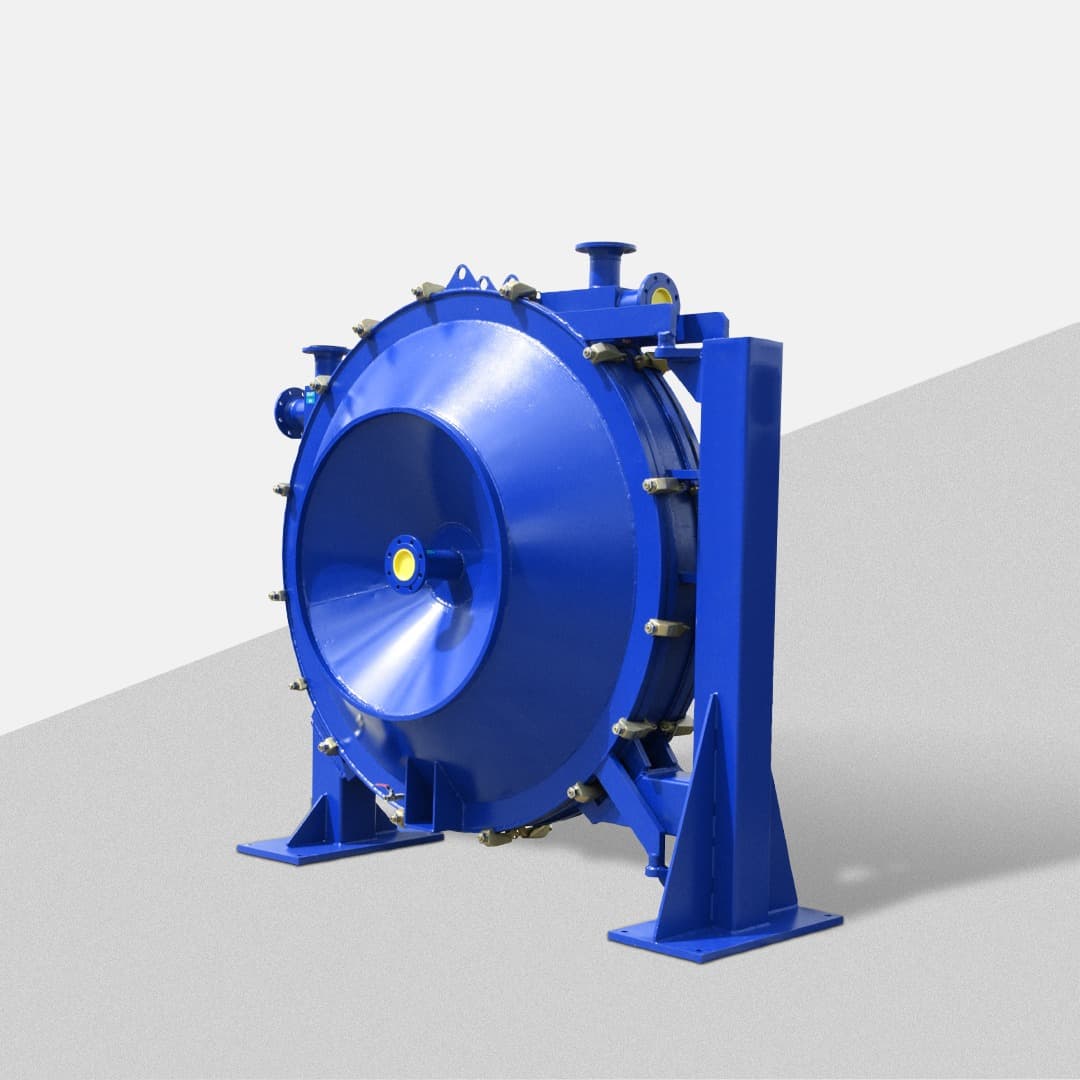
Spiral Heat Exchangers are heat exchangers in which fluids exchange heat in single- or double-sided flow within two spiral channels, and are resistant to particle-laden and high-viscosity fluids. Wide channel geometry reduces clogging risk; single-piece or openable body options offer ease of maintenance.
Spiral heat exchangers operate much more reliably than plate heat exchangers with dirty, fibrous, or particle-laden fluids. Compared with tubular types they can be more compact and channel cleaning is more practical. In clean process applications, plate heat exchangers may offer higher heat transfer efficiency.
Channels and body are typically made from AISI 304/316 stainless steel; duplex or special alloys are used for aggressive chemicals. Gaskets and clamping elements are selected from materials suitable for fluid temperature.
They are common in pulp and paper, wastewater heating, chemical processes, food production, marine, and industrial waste heat recovery. They are preferred for heating or cooling high-viscosity or solid-particle-laden fluids.
Maximum particle size and viscosity in the fluid determine channel height; the typical range is 6–50 mm. A wider channel eases cleaning while affecting heat transfer surface. The Tanpera engineering team recommends optimal channel geometry based on fluid analysis.
Flow rate, temperature, viscosity, particle size, and allowable pressure drop are taken into account. Spiral length and channel width determine capacity. When you submit your project data, a detailed sizing report is prepared.
On openable models, the top cover can be removed for mechanical or high-pressure washing. A regular cleaning program preserves performance in dirty-fluid applications. Gasket and clamping checks should be part of the annual maintenance routine.
You can download the English brochure and user manual as PDF from the Documents tab on the product page. Up-to-date technical documents are published regularly in this area.
You can submit your project details via the Quote Form on the product page or contact our sales team at sales@tanpera.com. Our engineering team will get in touch for sizing and pricing based on your project data.