

Hospital HVAC Systems
Hospital HVAC Systems — Tanpera engineering guidance covering process requirements, design criteria and recommended equipment.

Key takeaways
- Hospital HVAC Systems — Tanpera engineering guidance covering process requirements, design criteria and recommended equipment.
- Precise temperature control in operating theatres and intensive-care units
- Plate heat exchanger interface between central boiler/chiller and building risers
- Flow balancing with a buffer tank under variable load profiles
- Pressure stability via pumped expansion on large system volumes
Heat-Transfer Needs in Healthcare Facilities
The following requirements take priority in hospital HVAC projects.
- Precise temperature control in operating theatres and intensive-care units
- Plate heat exchanger interface between central boiler/chiller and building risers
- Flow balancing with a buffer tank under variable load profiles
- Pressure stability via pumped expansion on large system volumes
- Uninterrupted operation with redundant pump and heat-exchanger configurations
- Fast service and plate/gasket access during maintenance windows
Hospital Circuits and Equipment Matching
Typical healthcare campus applications:
| Process step | Heat-transfer duty | Recommended equipment |
|---|---|---|
| Central heating interface | District energy or boiler circuit separation | Gasketed plate heat exchanger |
| Cooling plant | Chiller–riser circuit heat transfer | Gasketed plate heat exchanger |
| Flow balancing | Part-load and minimum flow management | Buffer tank |
| Pressure control | Large volume, active pressurization | Pumped expansion (NOVA) |
Design Parameters
Minimum engineering inputs for sizing:
- Primary and secondary circuit flow rates and inlet–outlet temperatures (°C)
- System static height and operating pressure
- Glycol ratio and fluid viscosity (cooling circuits)
- Part-load profile and minimum equipment flow
- Expansion, degasser and buffer-tank integration
- Maintenance clearance and plant-room layout constraints
Tanpera Approach
End-to-end support matched to project and operating needs:
- Project-based thermal and hydraulic sizing
- Site installation, commissioning and performance testing
- Process integration backed by sector reference experience
- After-sales spare plates, gaskets and service network
Recommended Tanpera Products
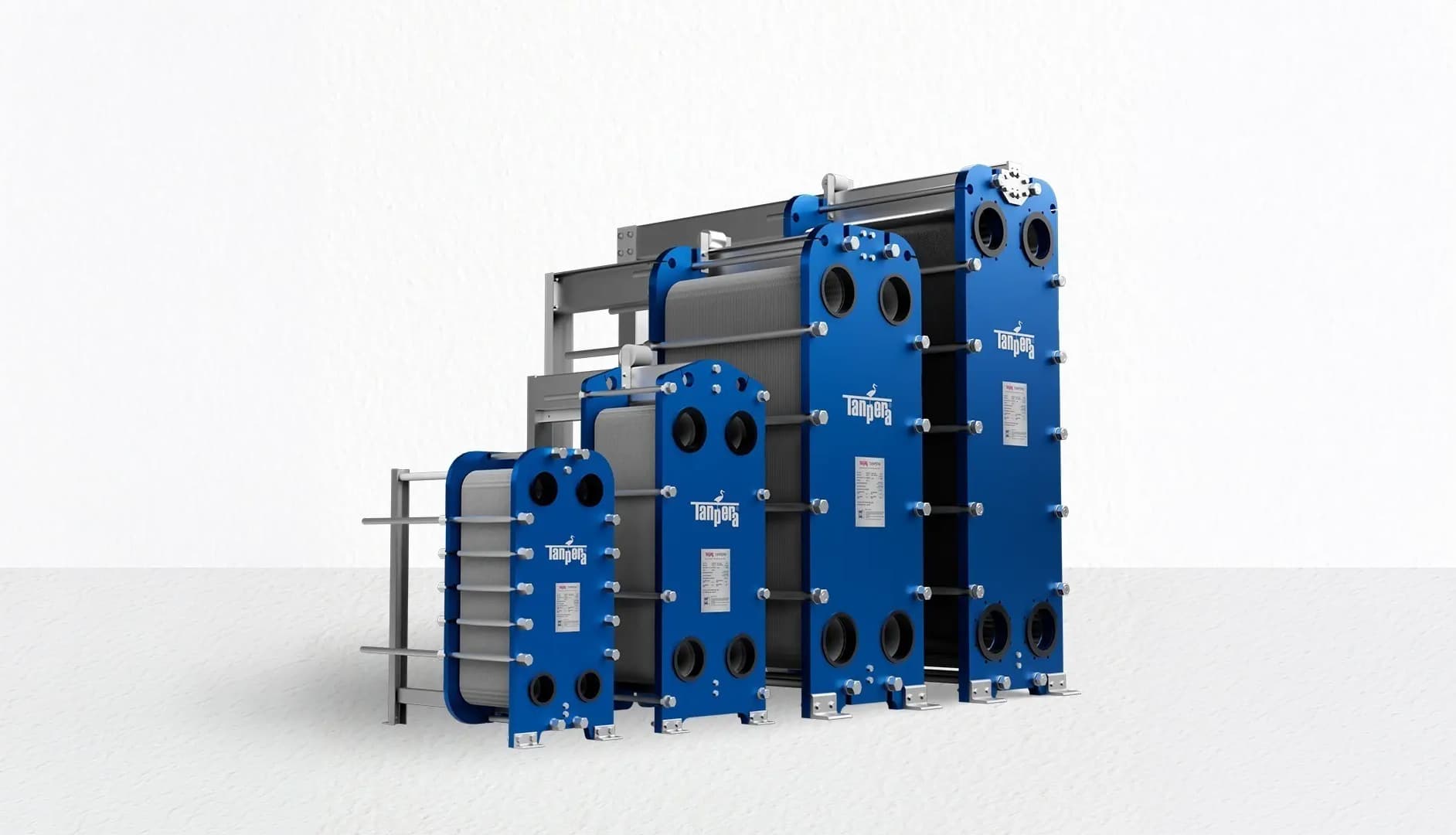
Gasketed Plate Heat Exchanger
Modular plate pack, wide capacity range and easy maintenance. High-efficiency heat transfer for HVAC and industrial process duties.
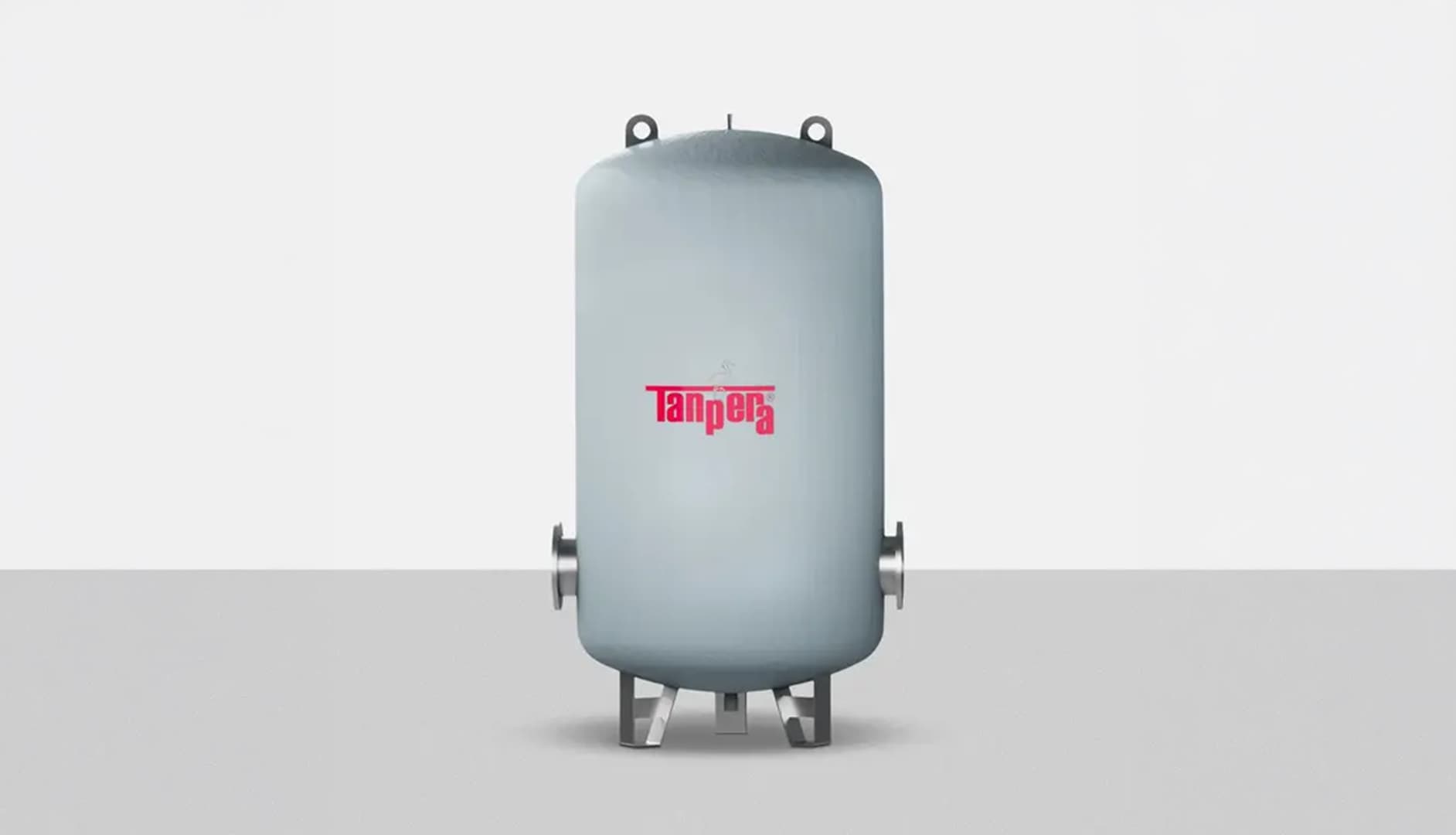
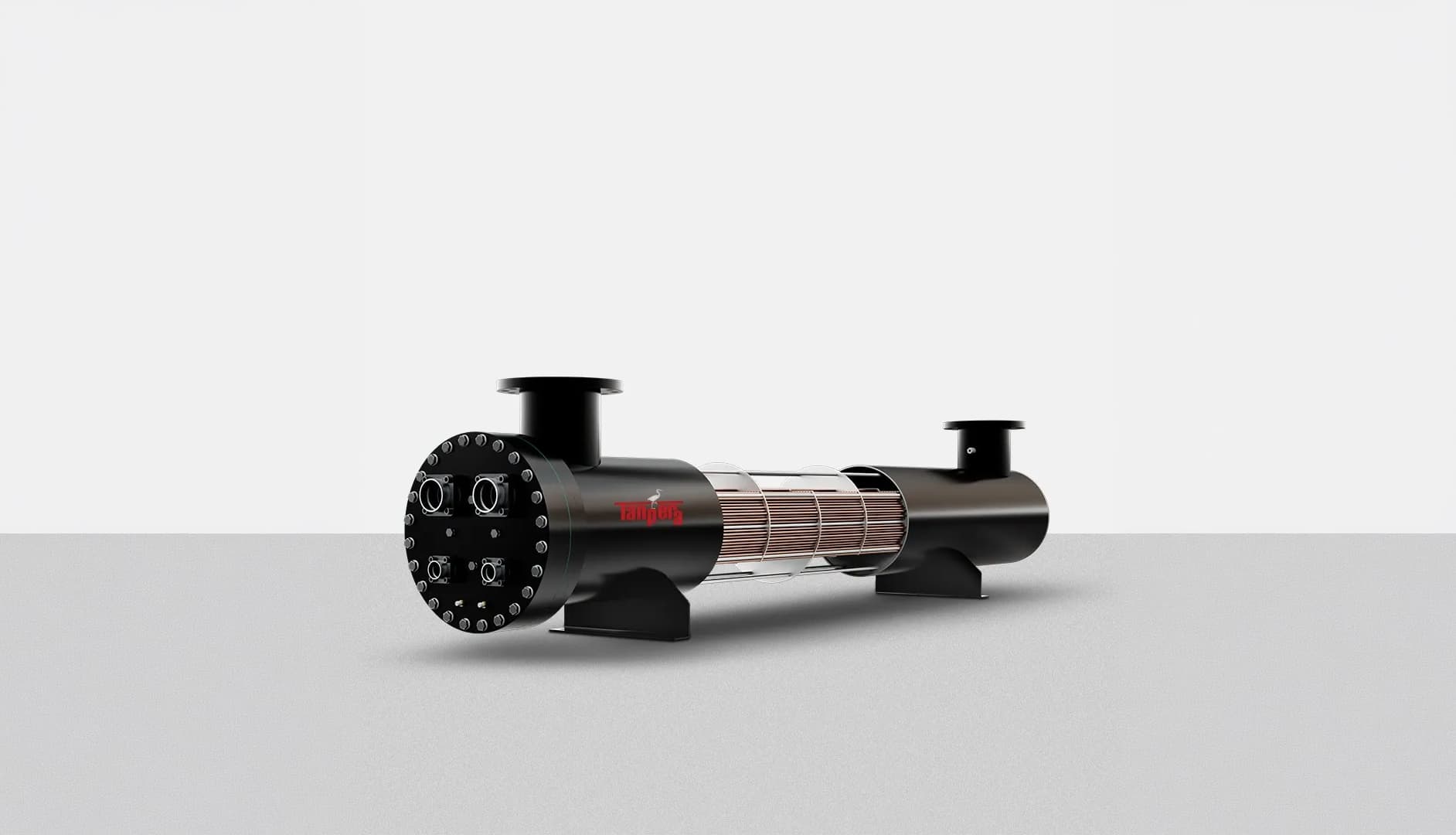
Buffer (Thermal Balance) Tank
Hydraulic balance and load buffering. Capacity reserve for central heating and cooling circuits.
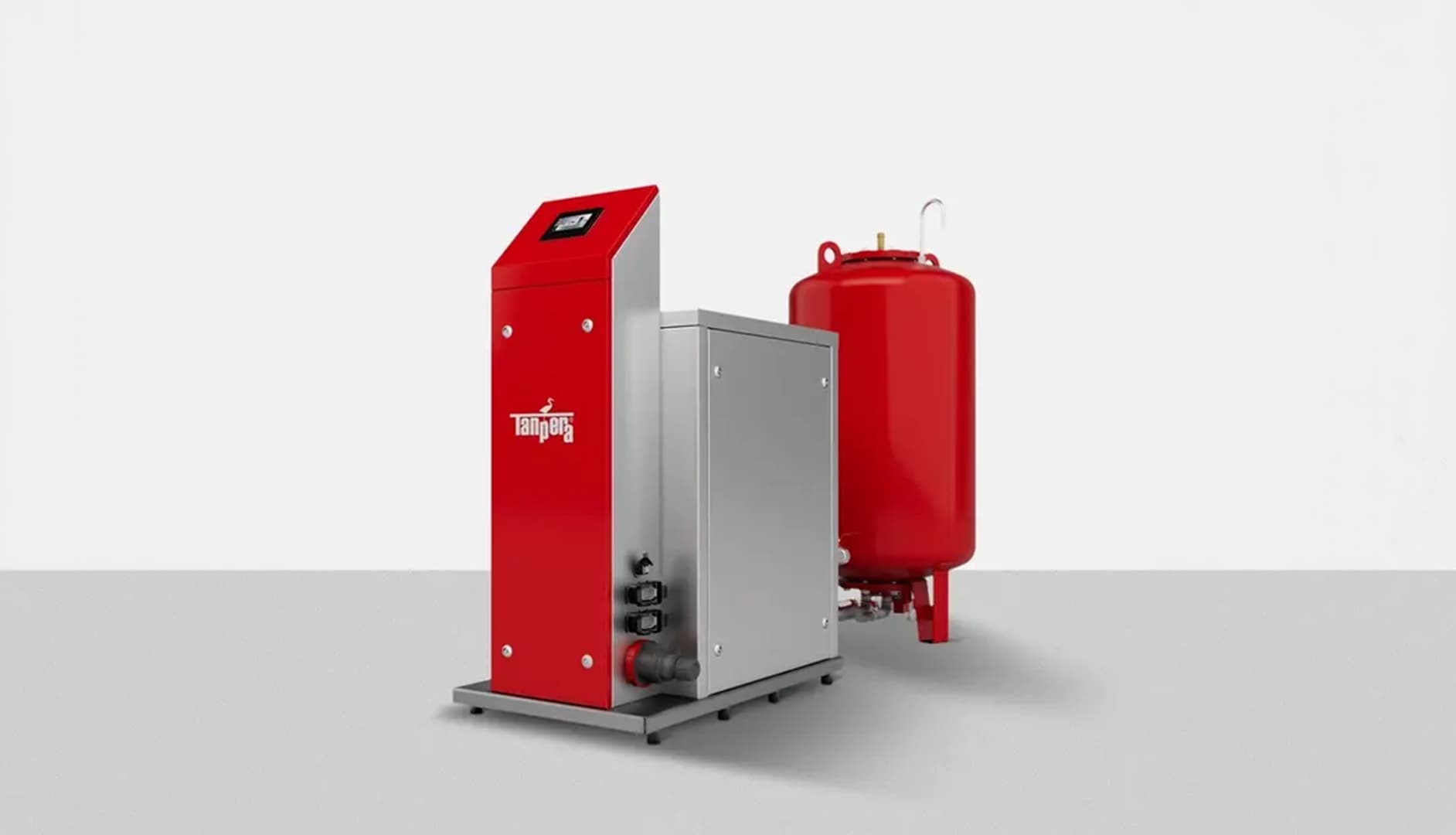
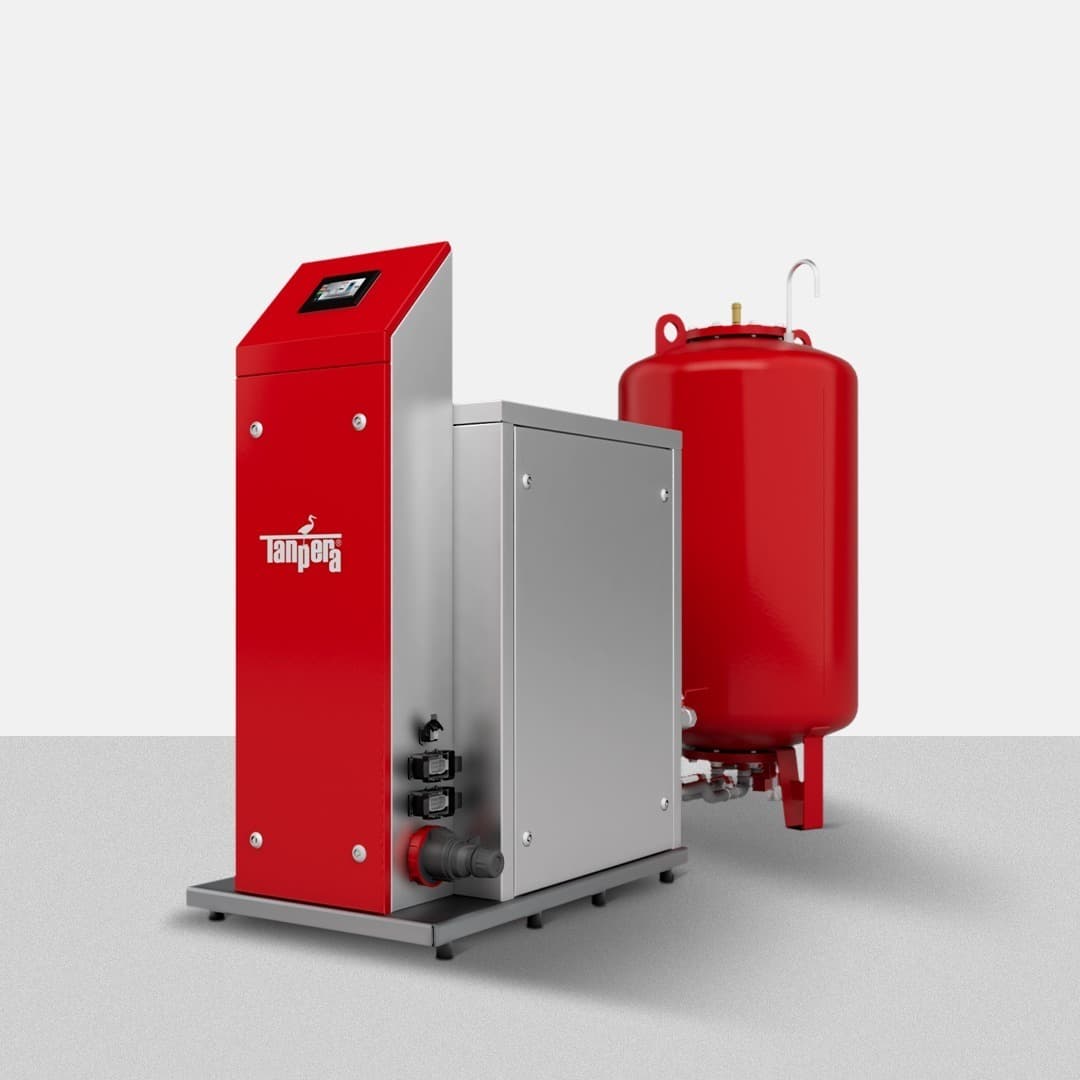
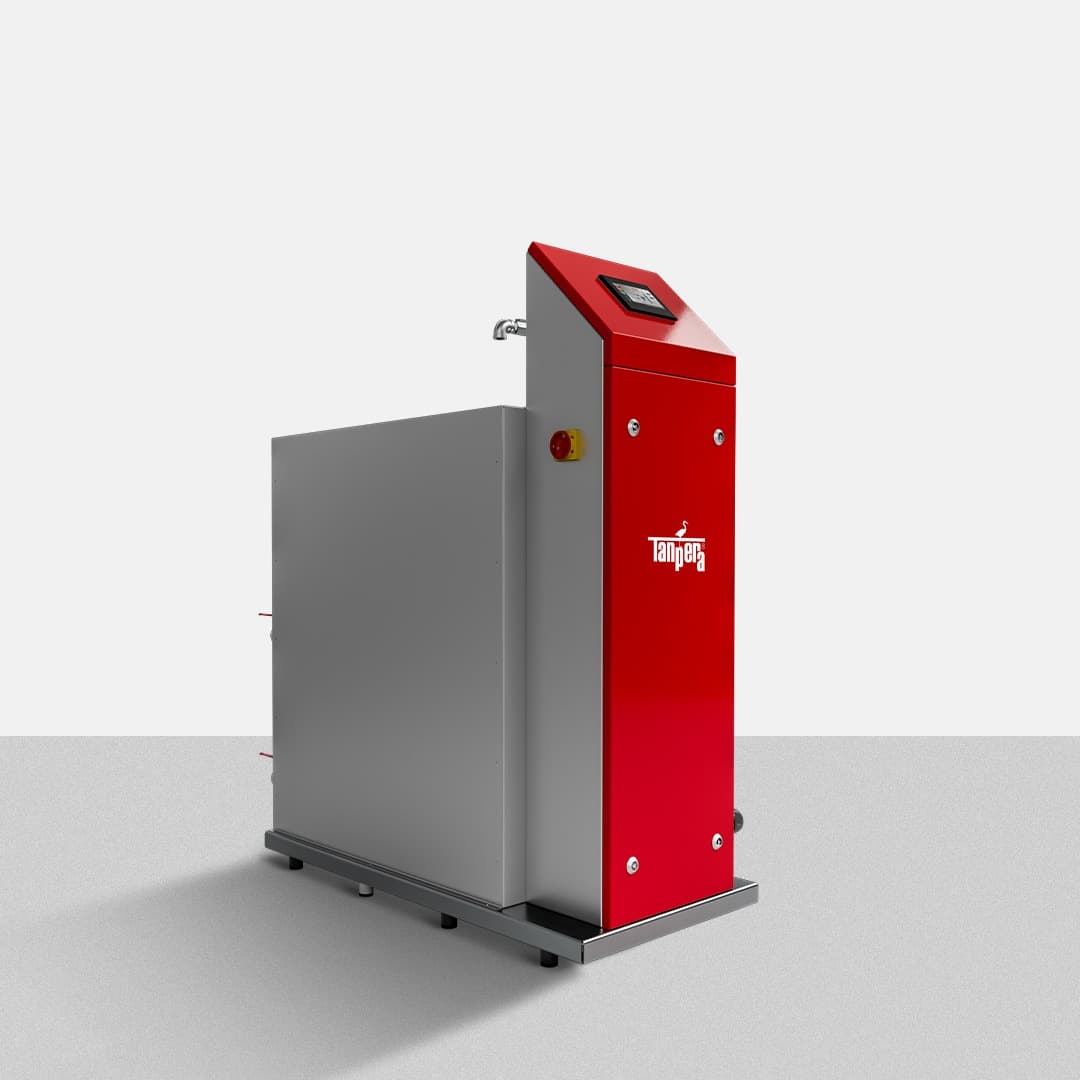
NOVA Pumped Expansion and Pressurization Unit
Pressure control and expansion management in closed-loop systems.
Equipment Selection Notes
Recommended equipment groups for this application:
- N+1 redundancy and bypass lines should be planned for critical areas
- Gasketed plate heat exchangers provide flexibility for periodic maintenance and capacity growth
- On large campuses, pumped expansion limits pressure fluctuations
- Commissioning tests and a performance report are recommended at project handover
Related Solution Center Articles
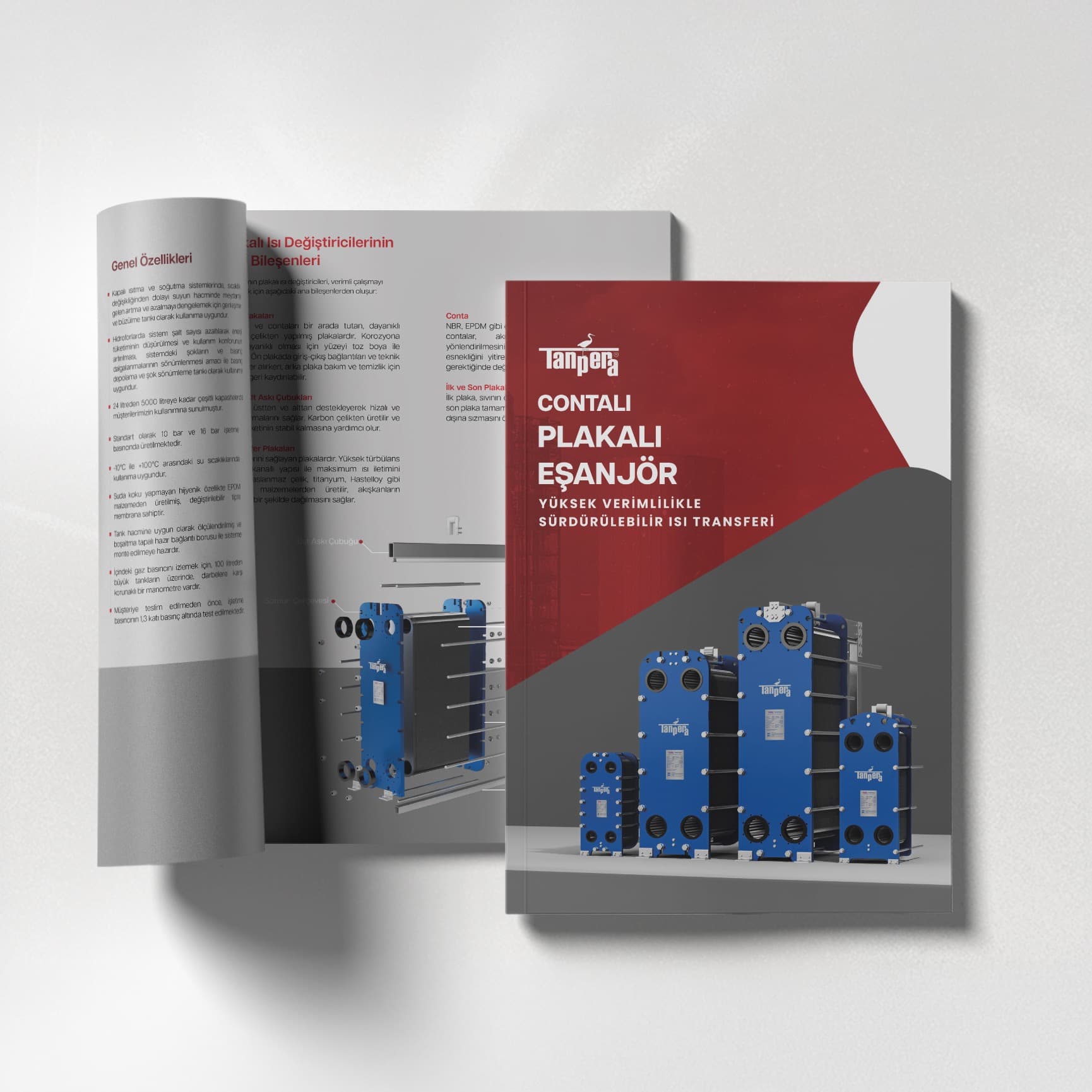
Explore the detailed brochure
Find Tanpera product groups, technical advantages and application recommendations in the brochure.
- Product groups
- Technical advantages
- Application recommendations
References & standards
- ASHRAE Handbook — HVAC Systems and Equipment — Central heating/cooling circuits and hydraulic balancing design
- AHRI Standard 400 — Liquid to Liquid Heat Exchangers — Plate heat exchanger performance classification
Frequently Asked Questions
Which Tanpera products are used on hospital projects?
A gasketed plate heat exchanger, buffer tank and pumped expansion unit is the most common combination. Final selection is determined by flow rate, ΔT and redundancy requirements.
How is uninterrupted climate control achieved?
Redundant heat-exchanger and pump configurations, buffer-tank capacity and correct pressurization must be planned together. Separate circuits are assessed for critical areas.
How are hygiene requirements met?
On closed-loop systems, gasket material and fluid compatibility are selected to project standards. Hygienic gasketed or brazed configurations are assessed where food-grade duty applies.
How does the sizing process work?
Project flow rate, temperature profile, riser count and redundancy specification are submitted via satis@tanpera.com.tr or the quotation form; a thermal calculation and preliminary selection are then shared.