


Rapid Calorifier or Heat Exchanger + Accumulation Tank?
The same hot-water need can be met by two different system logics. The right arrangement appears when demand profile and capacity are read together.
Key takeaways
- The same hot-water need can be met by two different system logics.
- The right arrangement appears when demand profile and capacity are read together.
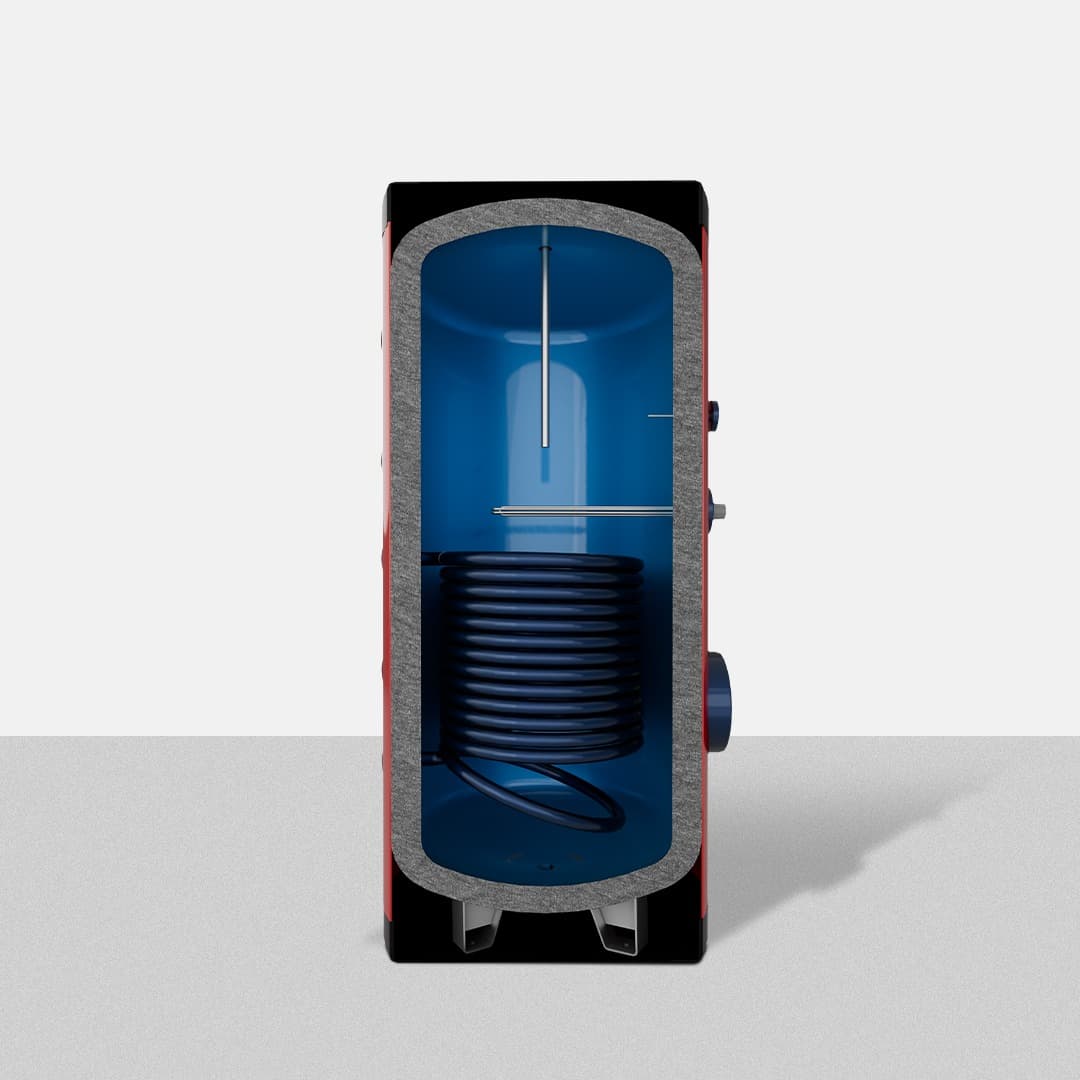
- A rapid calorifier combines heating and storage in one unit and suits a compact installation where demand is low and steady.
- A heat exchanger plus accumulation tank separates heat transfer from storage, so capacity can be managed independently when demand varies or grows.
- Demand profile, peak hot-water need, plant-room space, water quality, maintenance expectations and future capacity growth should be read together.
The Right System Design for Domestic Hot Water
In domestic hot water systems, the right choice usually depends on the operating logic of the whole system rather than on one piece of equipment. Solutions that can meet the same hot-water need differ in capacity management, demand profile, capital cost, ease of maintenance and operating flexibility.
Two system approaches stand out: rapid calorifier solutions, and heat exchanger plus accumulation tank systems.
What should be read together
Calorifier selection is not a product comparison on its own. The same domestic hot water need can lead to different solutions depending on how the system is arranged.
- A rapid calorifier combines heating and storage in one unit and suits a compact installation where demand is low and steady.
- A heat exchanger plus accumulation tank separates heat transfer from storage, so capacity can be managed independently when demand varies or grows.
- Demand profile, peak hot-water need, plant-room space, water quality, maintenance expectations and future capacity growth should be read together.
What is a rapid calorifier?
In a rapid calorifier, heating and storage take place in the same equipment. That arrangement makes the installation more compact and is a practical solution where domestic hot water demand is low or steady.
Rapid calorifier systems use fewer pieces of equipment, keep the system architecture simple, and can offer a capital-cost advantage within defined capacity ranges.
When does a rapid calorifier have the advantage?
Rapid calorifiers are especially useful where hot-water consumption is predictable. The compact layout takes less space and simplifies system design.
- It provides a compact installation.
- It creates a simpler system architecture.
- It delivers sufficient performance for low and steady hot-water demand.
- Within defined capacity ranges, it can reduce initial investment cost.
Low and steady demand
For that reason, rapid calorifiers are a sound choice in homes, small commercial spaces and projects where the hot-water profile stays stable.
What is a heat exchanger plus accumulation tank system?
In a heat exchanger plus accumulation tank system, heat transfer and storage are designed independently. Heat transfer takes place in a plate heat exchanger, while storage is provided by the accumulation tank.
That split makes capacity management more flexible. Where hot-water demand is high, variable or uneven, it supports long-term performance and day-to-day operation.
When does a heat exchanger plus accumulation tank have the advantage?
This approach stands out where hot-water use is intense or variable. Managing storage volume and heat-transfer capacity separately lets the system be sized to the real need.
- It offers flexible system management for variable demand profiles.
- Heat exchanger capacity can be optimised to the duty.
- Capacity can be increased by adding plates.
- A cleanable gasketed plate heat exchanger is an advantage in hard water.
- It supports stable performance under high or fluctuating demand.
High and variable demand
In hotels, hospitals, dormitories, industrial plants and commercial buildings with high hot-water use, a heat exchanger plus accumulation tank can be the more flexible long-term solution.
Which system should be chosen?
Both systems can meet a domestic hot water need. What makes the difference is how the system is arranged.
Where demand is low and steady, a rapid calorifier can be the compact and economical choice. Where demand is high, variable or expected to grow, a heat exchanger plus accumulation tank offers more flexible capacity management and a maintenance advantage.
Demand profile, peak hot-water need, plant-room constraints, water quality, maintenance expectations and future capacity growth should be assessed together.
| Criterion | Rapid calorifier | Heat exchanger + accumulation tank |
|---|---|---|
| Operating logic | Heating and storage in one unit | Heat transfer and storage are independent |
| Installation | Fewer components, compact layout | Heat transfer and storage are arranged separately |
| Demand profile | Low and steady use | High, variable or fluctuating use |
| Capacity | Capital-cost advantage in defined ranges | Can grow with exchanger capacity and plate count |
| Maintenance | Simple system, fewer components | Cleanable gasketed plates, especially in hard water |
| Typical use | Homes, small commercial spaces, stable profiles | Hotels, hospitals, dormitories, industry and high-demand commercial buildings |
Conditions to read together
The system arrangement becomes clear when these points are reviewed as one set:
- Demand profile and peak hot-water need
- Plant-room space and installation area
- Water quality and scaling tendency
- Maintenance expectations and operating flexibility
- Future capacity growth
Related Solution Center articles
Conclusion
The right domestic hot water solution comes from treating the system as a whole, not from choosing a single product. Tanpera supports project-specific system design with an engineering approach, technical expertise and reliable product solutions.
The right solution starts with the right partner.
Products considered in this arrangement
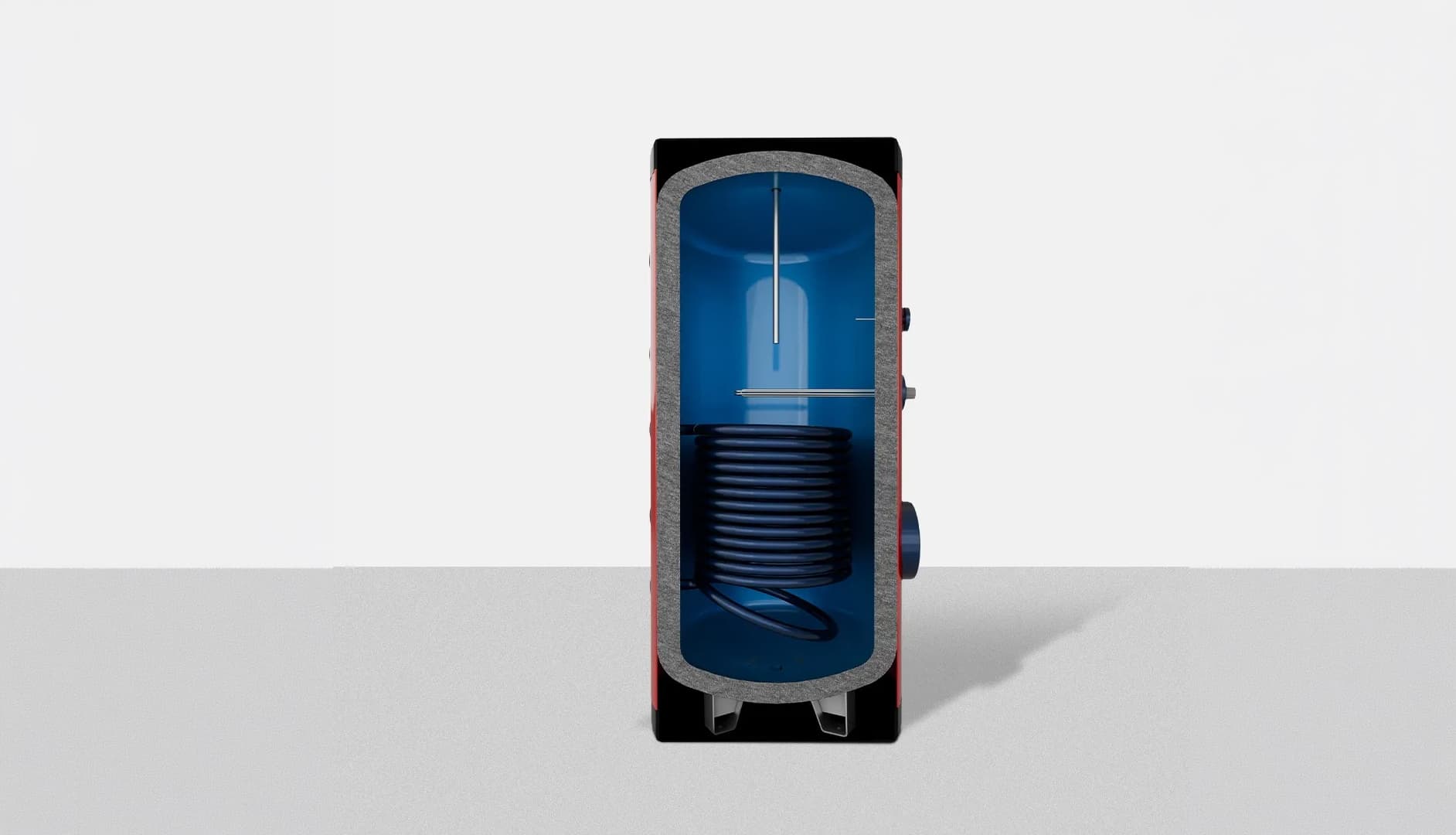
Fixed Coil Boiler
A compact calorifier that combines heating and storage in one unit. It suits a simple system where hot-water demand is low and steady.
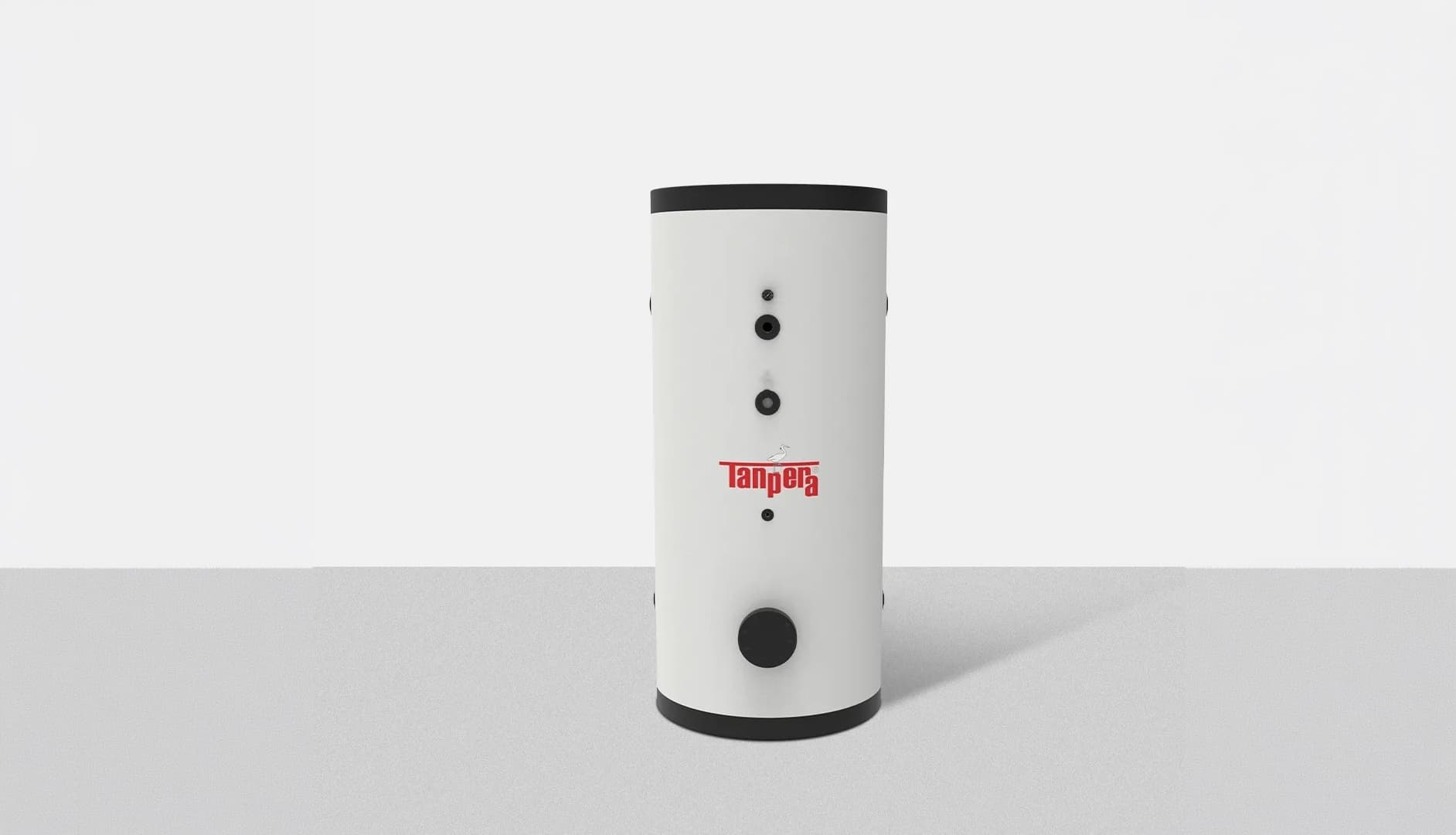
Accumulation Tank
Stores domestic hot water for intense and uneven demand. Storage capacity is managed separately from heat transfer.
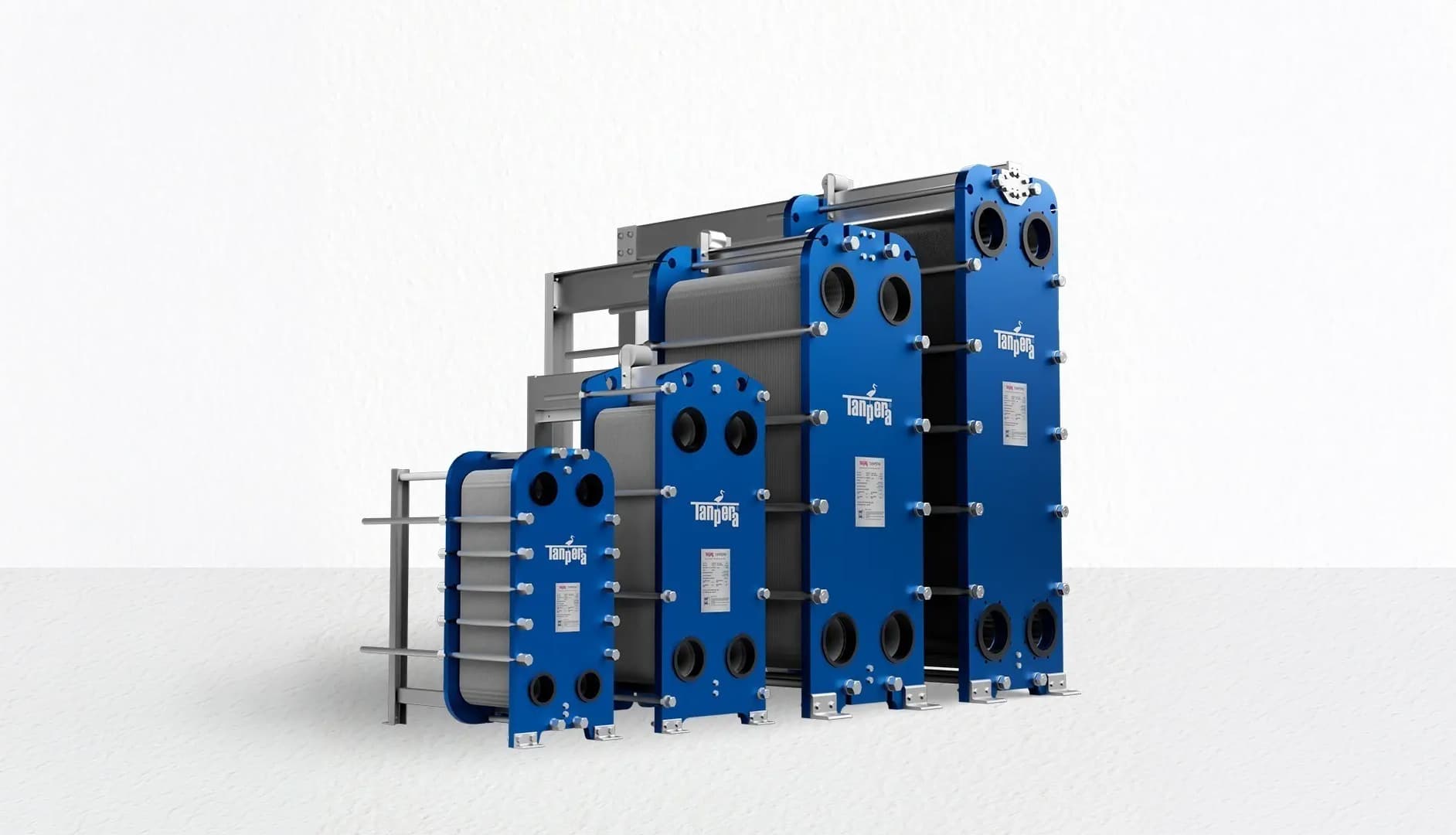
Gasketed Plate Heat Exchanger
Handles heat transfer apart from storage. Capacity can grow by adding plates, and the cleanable plate pack is an advantage in hard water.
Explore the detailed brochure
Find Tanpera product groups, technical advantages and application recommendations in the brochure.
- Product groups
- Technical advantages
- Application recommendations

References & standards
- ASHRAE Handbook — HVAC Systems and Equipment — Central heating/cooling circuits and hydraulic balancing design
- AHRI Standard 400 — Liquid to Liquid Heat Exchangers — Plate heat exchanger performance classification
Frequently Asked Questions
What is a rapid calorifier?
A rapid calorifier is a compact domestic hot water solution in which heating and storage take place in the same equipment. It is installed with fewer components and suits low or steady hot-water demand.
How does a heat exchanger plus accumulation tank system work?
Heat transfer is handled by a plate heat exchanger and hot-water storage by an accumulation tank. Because storage volume and heat-transfer capacity are managed separately, the system can be expanded to match the duty.
When is a rapid calorifier the better choice?
Where hot-water use is predictable, low or steady — in homes, small commercial spaces and projects with a stable demand profile — a rapid calorifier can offer a compact installation and a lower initial investment.
When does a heat exchanger plus accumulation tank have the advantage?
In hotels, hospitals, dormitories, industrial plants and commercial buildings with high, variable or growing hot-water demand, this system offers more flexible capacity management. In hard water, a cleanable gasketed plate heat exchanger also simplifies maintenance.
How should the system be selected?
Demand profile, peak hot-water need, plant-room space, water quality, maintenance expectations and future capacity growth should be assessed together. Both systems can meet the same need; the difference is how the system is arranged.