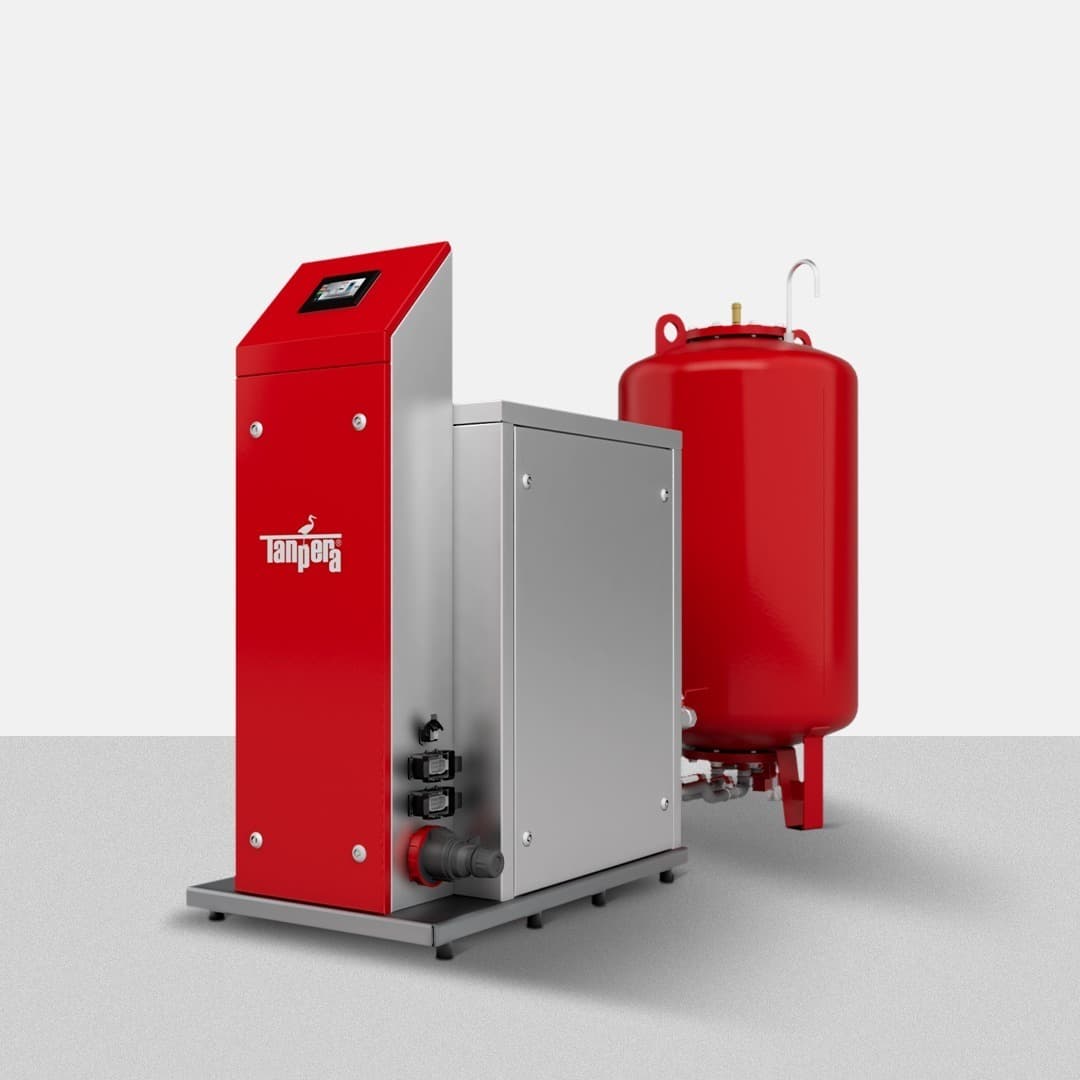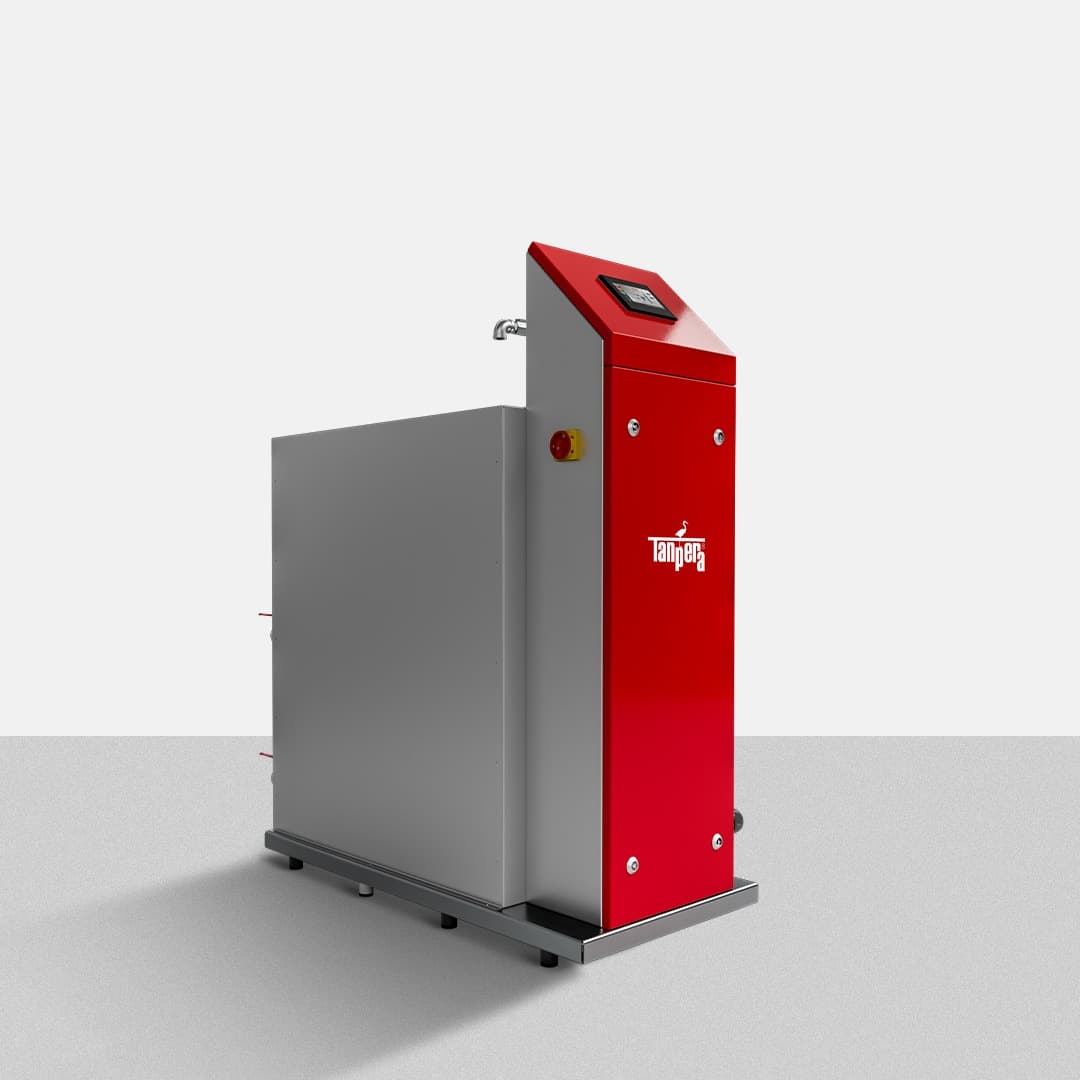


Evaporator Selection Criteria
Evaporator Selection Criteria — Tanpera engineering guidance covering process requirements, design criteria and recommended equipment.
Key takeaways
- Evaporator Selection Criteria — Tanpera engineering guidance covering process requirements, design criteria and recommended equipment.
- Cooling duty (kW) and part-load operating profile
- Refrigerant type (HFC, HFO, hydrocarbon or ammonia)
- Evaporation and condensation temperatures, and superheat value
- Fluid velocity, oil return and circuit oil management
Core Selection Criteria
Clarify the following parameters before sizing.
- Cooling duty (kW) and part-load operating profile
- Refrigerant type (HFC, HFO, hydrocarbon or ammonia)
- Evaporation and condensation temperatures, and superheat value
- Fluid velocity, oil return and circuit oil management
- Material compatibility, corrosion and cleaning requirements
- Installation footprint, maintenance access and noise/vibration limits
Evaporator Type Decision Matrix
Type selection by application profile:
| Process step | Heat-transfer duty | Recommended equipment |
|---|---|---|
| HVAC / commercial cooling | Variable load, compact footprint | Plate evaporator |
| Industrial process | High capacity, process integration | Plate or shell & tube evaporator |
| Food / hygienic line | CIP compatibility, easy cleaning | Gasketed plate evaporator |
| Low-temperature storage | Low evaporation temperature | Project-specific configuration |
Design Parameters
Minimum engineering inputs for sizing:
- Primary and secondary circuit flow rates and inlet–outlet temperatures (°C)
- System static height and operating pressure
- Glycol ratio and fluid viscosity (cooling circuits)
- Part-load profile and minimum equipment flow
- Expansion, degasser and buffer-tank integration
- Maintenance clearance and plant-room layout constraints
Tanpera Approach
End-to-end support matched to project and operating needs:
- Project-based thermal and hydraulic sizing
- Site installation, commissioning and performance testing
- Process integration backed by sector reference experience
- After-sales spare plates, gaskets and service network
Recommended Tanpera Products
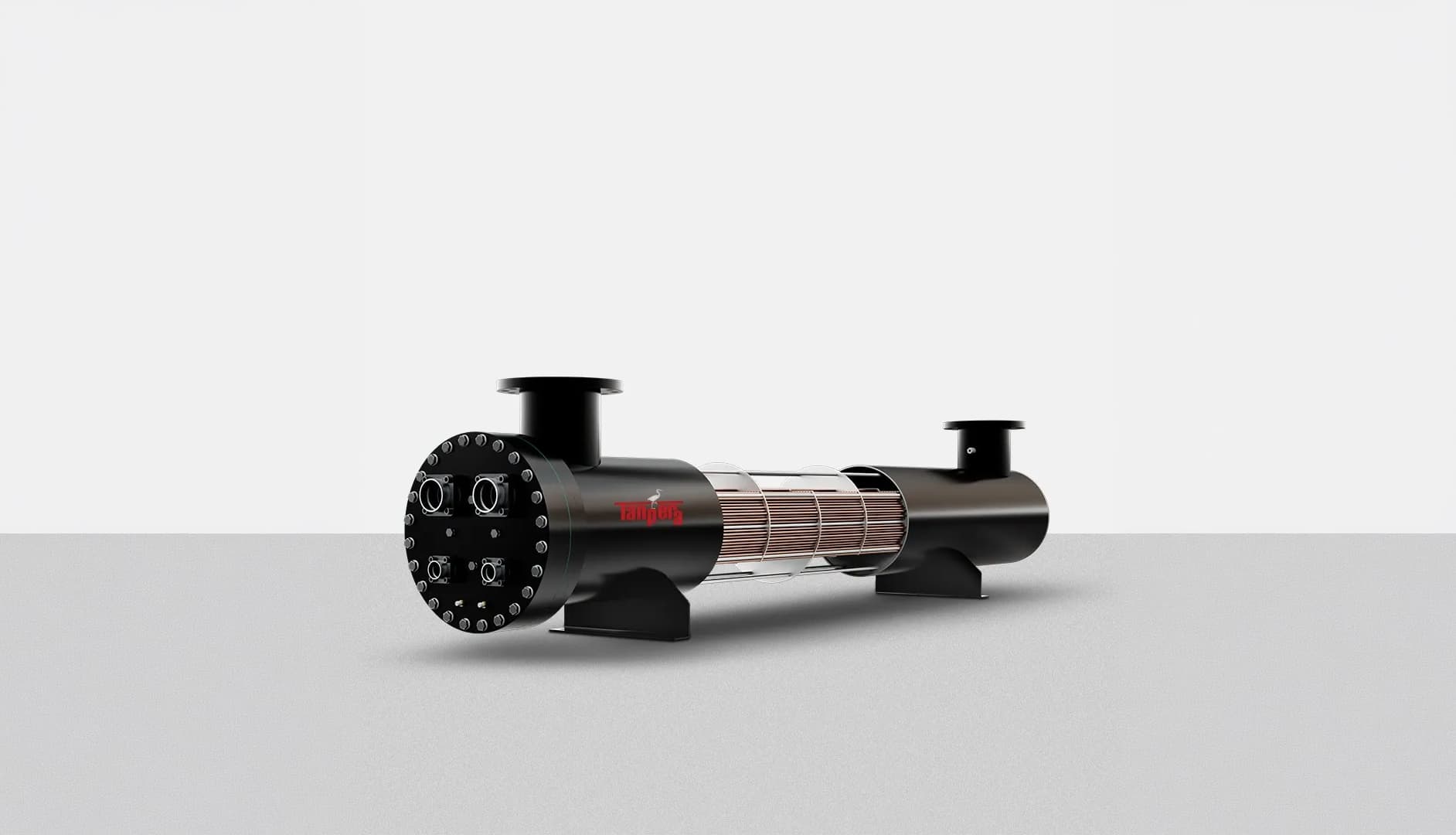
Evaporator
High efficiency in evaporation circuits. Multi-effect evaporation lines in sugar, food and industrial process.
Equipment Selection Notes
Recommended equipment groups for this application:
- TES-series evaporators are thermally and hydraulically sized to the project specification
- Material and oil compatibility must be reassessed when the refrigerant changes
- Condensate recovery circuits should plan evaporator–heat exchanger integration
- After commissioning, trend tracking of superheat and pressure drop is recommended
Related Solution Center Articles
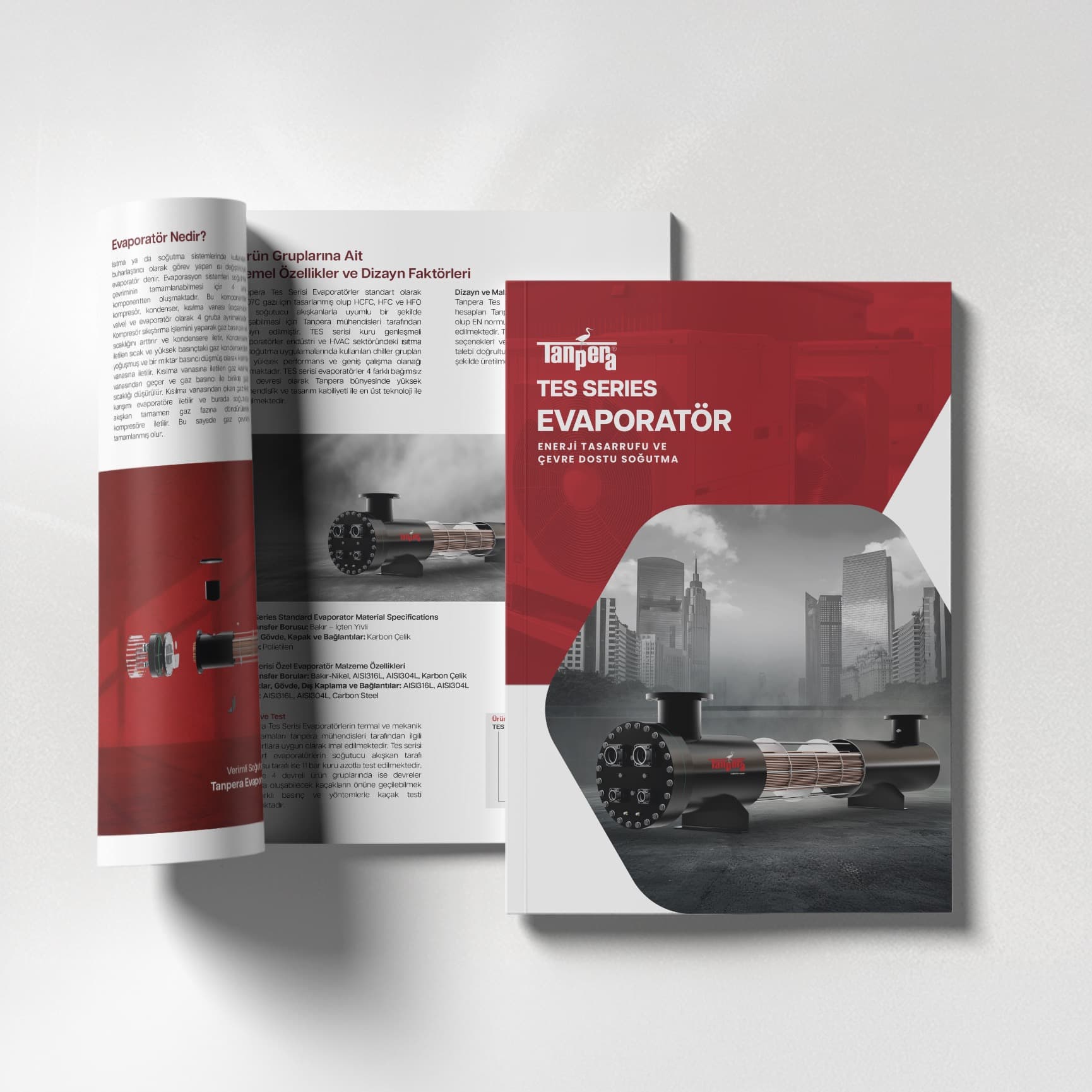
Explore the detailed brochure
Find Tanpera product groups, technical advantages and application recommendations in the brochure.
- Product groups
- Technical advantages
- Application recommendations
Frequently Asked Questions
Should a plate or shell-and-tube evaporator be selected?
The choice depends on flow rate, fluid, footprint limits and maintenance strategy. HVAC and clean circuits usually favor a plate type; extreme pressure or special process conditions may call for a shell-and-tube unit.
Is oversizing capacity a problem?
Yes. Oversizing can cause short cycling, oil accumulation and control instability. Selection must match the part-load profile.
What should be considered on ammonia systems?
Material selection, safety zones and pressure-equipment classification are assessed separately against project standards. The Tanpera project team recommends a configuration from the process data.
Which data are required for sizing?
Cooling duty, refrigerant type, evaporation and condensation temperatures, flow rate and allowable pressure drop form the minimum input set.