

Wide-Gap Plate Heat Exchanger
Plate Heat Exchangers
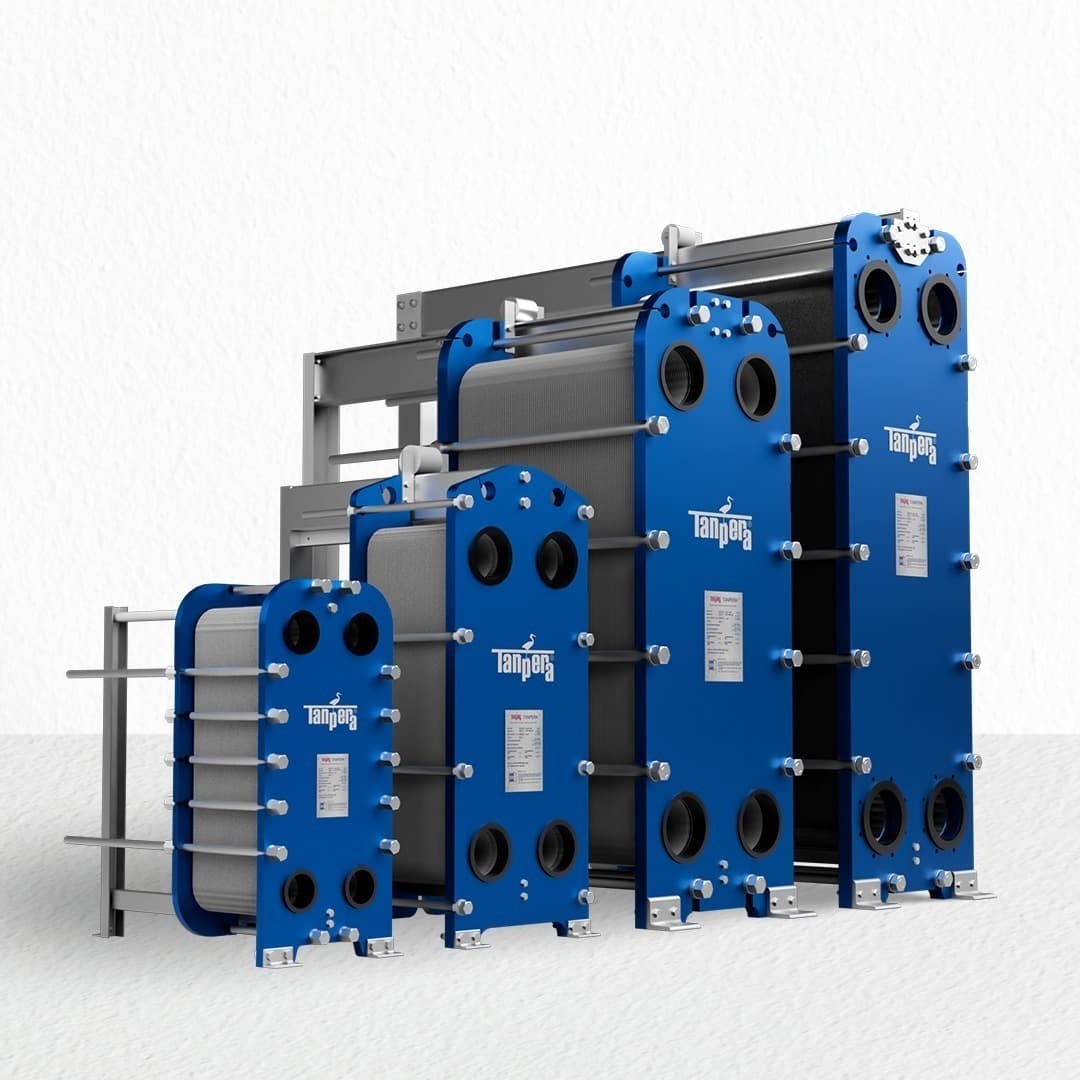
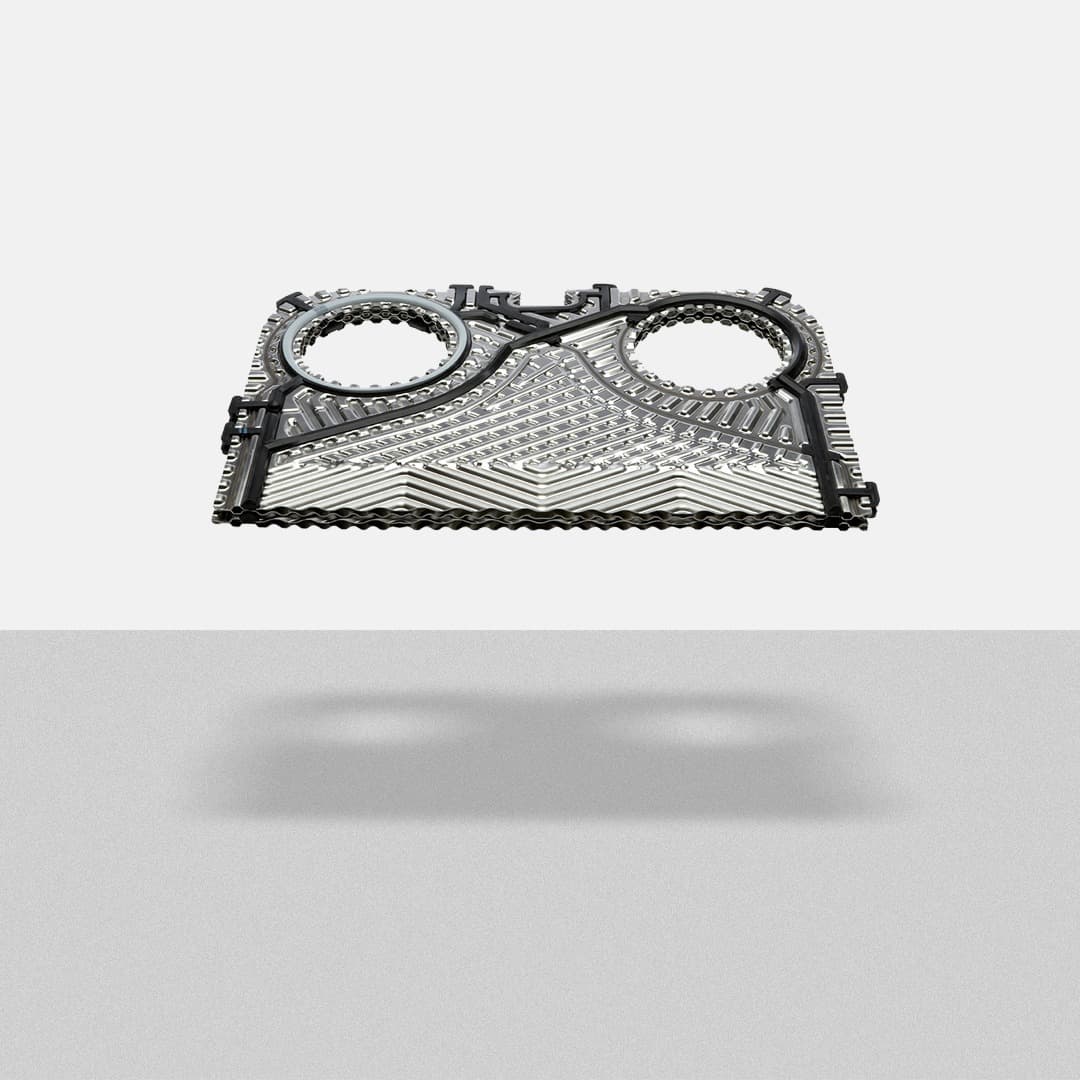
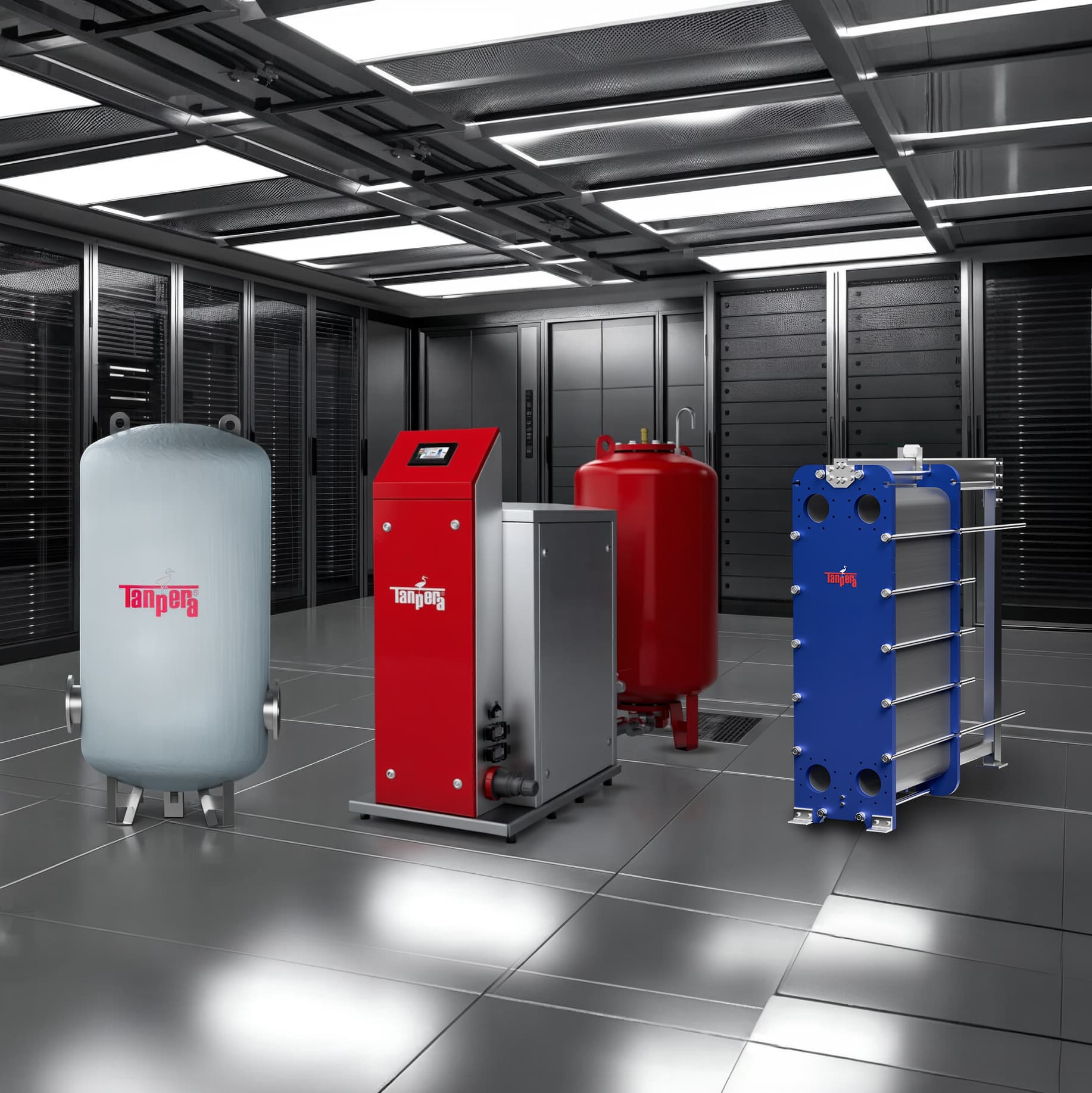
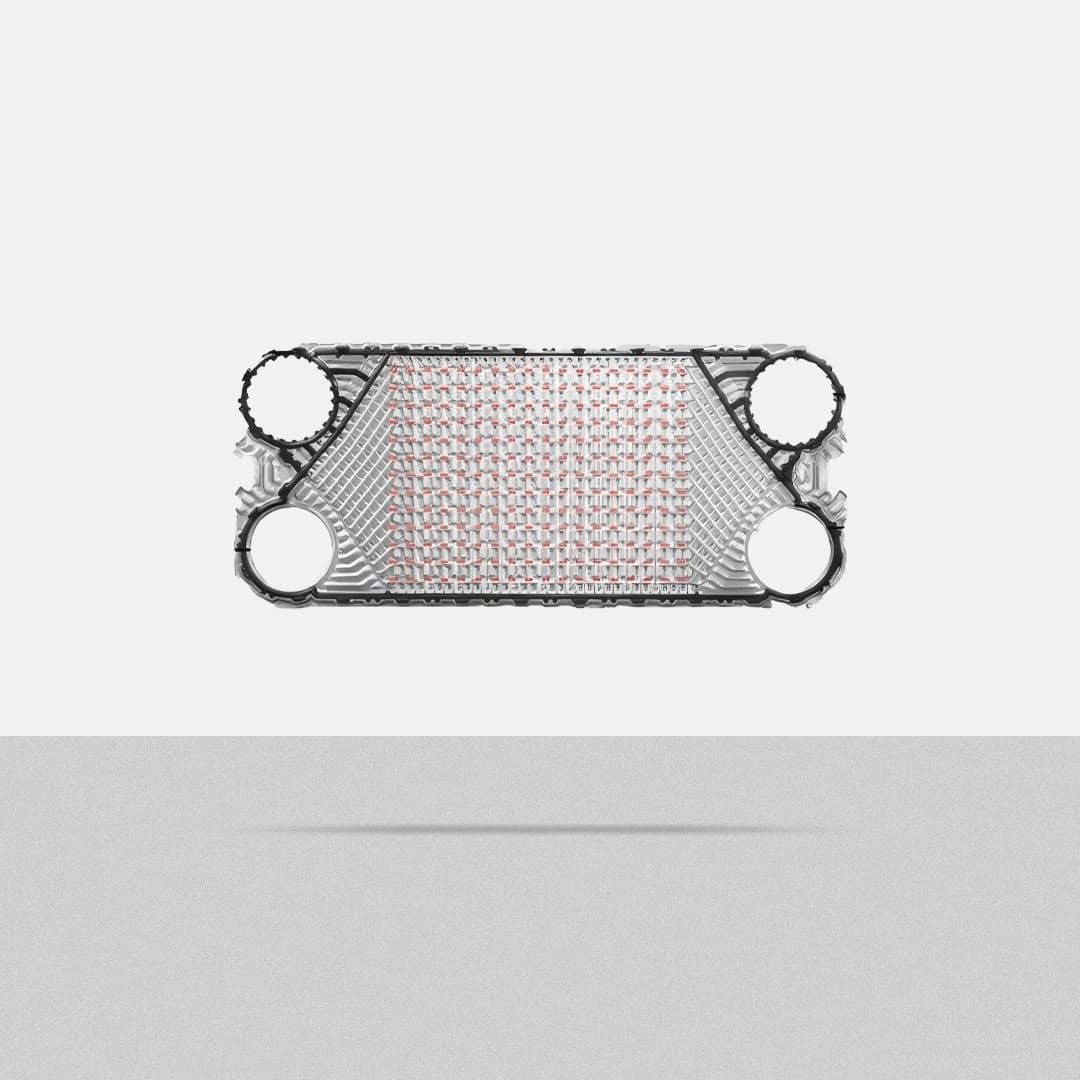
In plate heat exchangers, two fluids move in counterflow or crossflow within impermeable plate channels. Turbulence on the plate surfaces increases the heat transfer coefficient while delivering high capacity in compact dimensions. Gasketed or welded design options are selected according to fluid compatibility and operating pressure.
About the Wide-Gap Plate Heat Exchanger
Operating Principle and Design Approach
In plate heat exchangers, two fluids move in counterflow or crossflow within impermeable plate channels. Turbulence on the plate surfaces increases the heat transfer coefficient while delivering high capacity in compact dimensions. Gasketed or welded design options are selected according to fluid compatibility and operating pressure.
Tanpera plate heat exchanger solutions are sized by engineering calculation based on capacity, pressure drop, material compatibility, and maintenance accessibility. Thanks to the modular plate pack, capacity can be increased or reduced in a controlled manner on site.
Energy Efficiency and Operating Advantages
When high heat transfer efficiency, a low approach temperature difference, and optimized channel geometry come together, overall system energy consumption decreases.
Performance is maintained over the long term through regular maintenance and plate cleaning.
Key Features
- Capacity can be increased in a controlled manner on site with the modular plate pack.
- Delivers high heat transfer efficiency and a compact installation footprint.
- Wide application range in HVAC, industrial process, and energy applications.
Installation and Commissioning
During commissioning, pressure testing, flow adjustment, and temperature control must be performed. The Tanpera technical team provides field support and training.
After-Sales Services
System efficiency is preserved over the long term through periodic inspection and performance measurement.
Frequently Asked Questions
A Wide-Gap Plate Heat Exchanger is a compact heat exchanger in which two different fluids exchange heat in counterflow or crossflow within channels between thin metal plates. Hot and cold fluids create turbulence on the plate surfaces, delivering a high heat transfer coefficient; gasketed or semi-welded designs are selected according to project pressure and fluid compatibility. Thanks to the modular plate pack, capacity can be increased or reduced in a controlled manner on site.
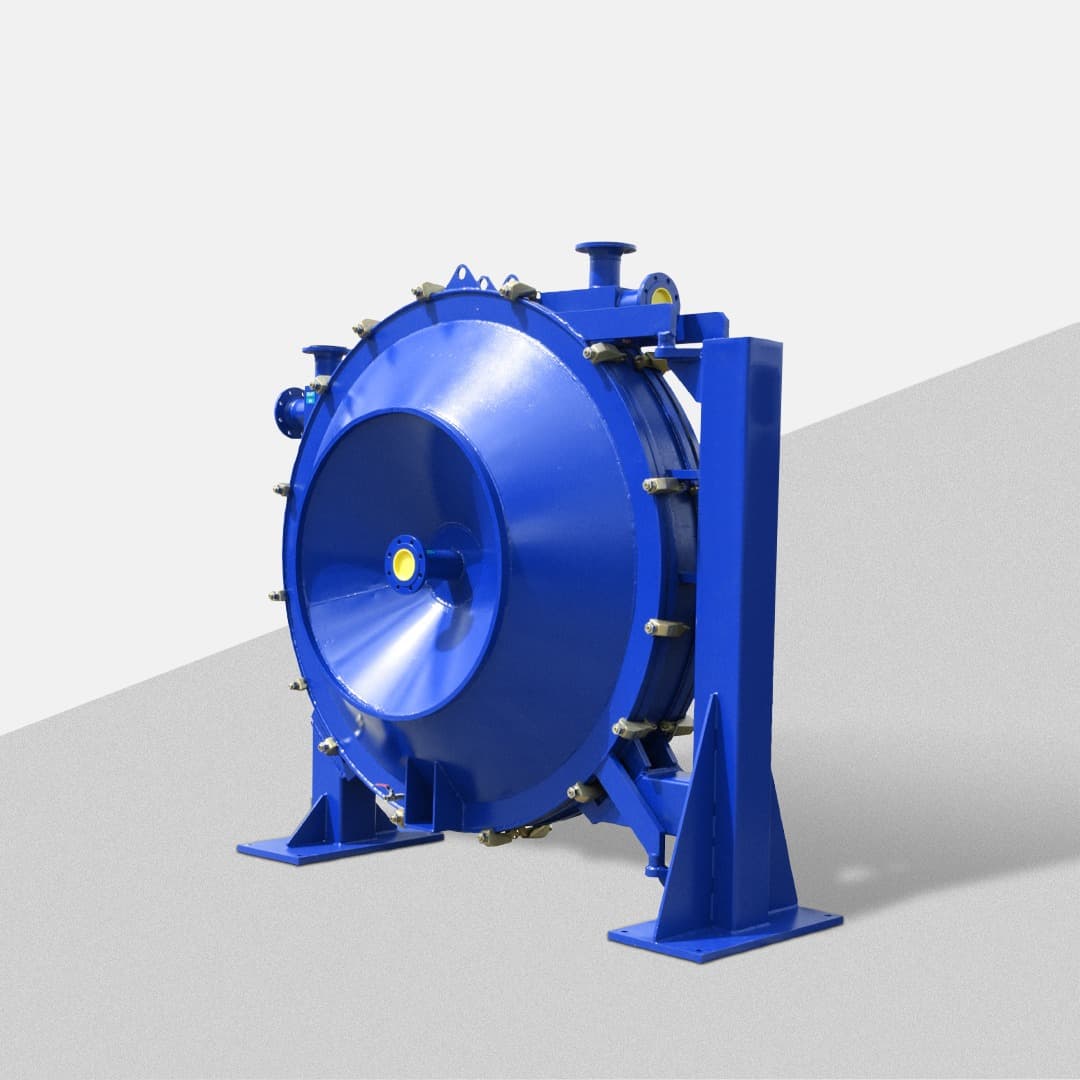
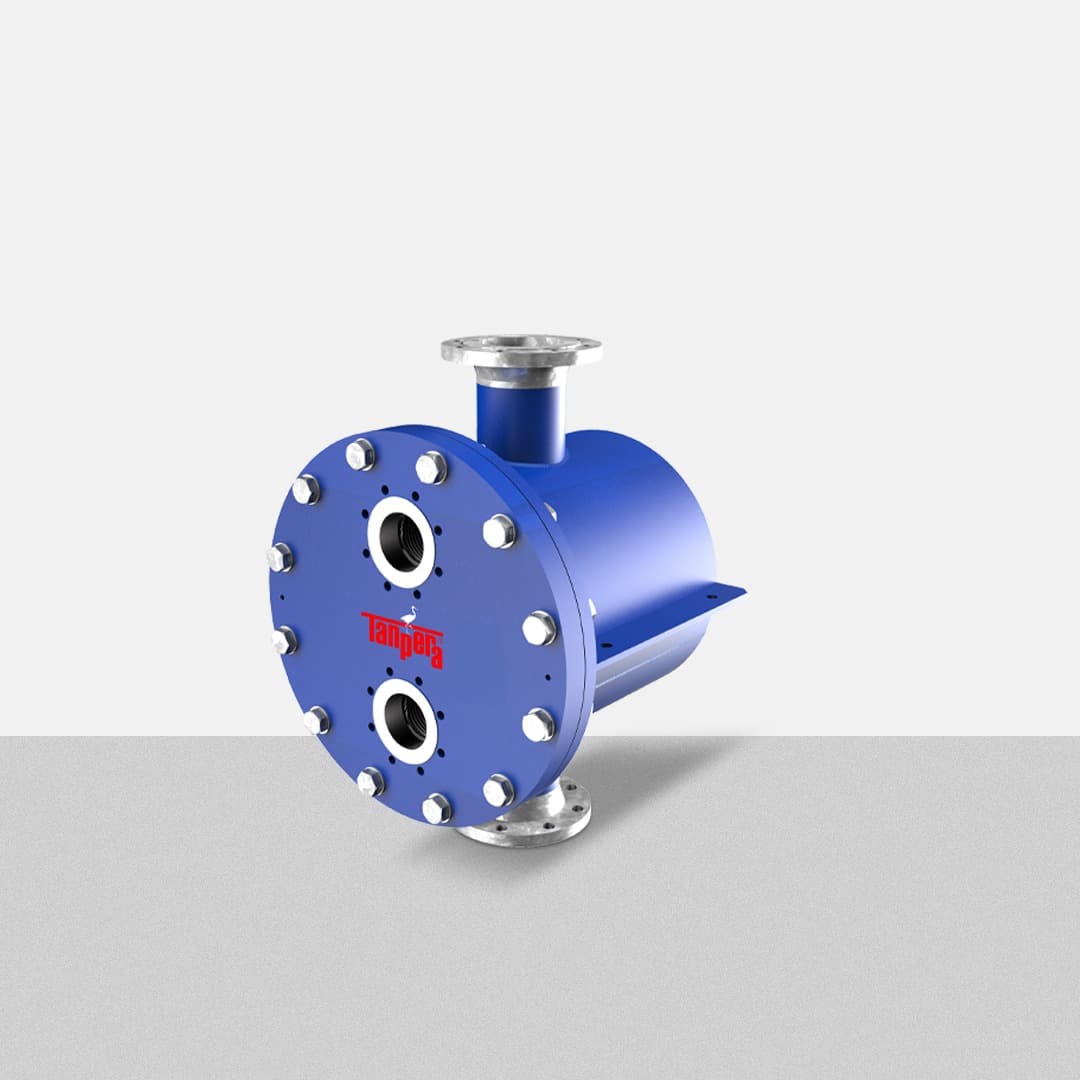
Compared with shell-and-tube and spiral heat exchangers, plate heat exchangers deliver high heat transfer capacity in much more compact dimensions. Plate spacing and channel geometry can be changed; the plate pack can be disassembled and cleaned for maintenance. Spiral or tubular types are preferred for high-viscosity or particle-laden fluids, while plate heat exchangers stand out for energy efficiency and space savings in clean process and HVAC circuits.
Plates are typically manufactured from AISI 304 or AISI 316 stainless steel; for aggressive fluids, titanium or special alloys are used. Gasket materials are selected as EPDM, NBR, or Viton according to fluid temperature and chemistry. Frame and connection components are produced from carbon steel or stainless materials suitable for the operating pressure; all material selection is documented according to the project specification.
They are widely used in district heating and cooling plants, food and beverage pasteurization lines, chemical and petrochemical processes, energy recovery applications, marine, and HVAC projects. The application range extends from building heating–cooling circuits to industrial process heating.
Thanks to a high heat transfer surface and a low approach temperature difference, less energy is consumed in the system; fuel and electricity costs drop significantly, especially in heat recovery circuits. Optimized channel geometry balances pressure drop while reducing pump and compressor load. Efficiency is maintained for years with regular cleaning and correct sizing.
Required capacity is calculated from fluid type, flow rate, inlet–outlet temperatures, operating pressure, and application. The Tanpera engineering team uses these data to determine plate type, plate count, and channel arrangement and recommends the most suitable configuration. Process data you submit via the quote form or to the engineering team form the basis for correct sizing.
For clean fluids, an annual general inspection may be sufficient; for systems with scale, sediment, or biofilm risk, plate cleaning every 6–12 months is recommended. Gasket and clamping bar condition should be checked at every service; early intervention is advised when performance drops or pressure drop increases. Tanpera supplies spare plates, gaskets, and service support.
You can download the English brochure and user manual as PDF from the Documents tab on the product page. Up-to-date technical documents are published regularly in this area.
You can submit your project details via the Quote Form on the product page or contact our sales team at sales@tanpera.com. Our engineering team will get in touch for sizing and pricing based on your project data.