

Exhaust Gas (Waste Heat) Heat Exchanger
Shell & Tube Heat Exchangers
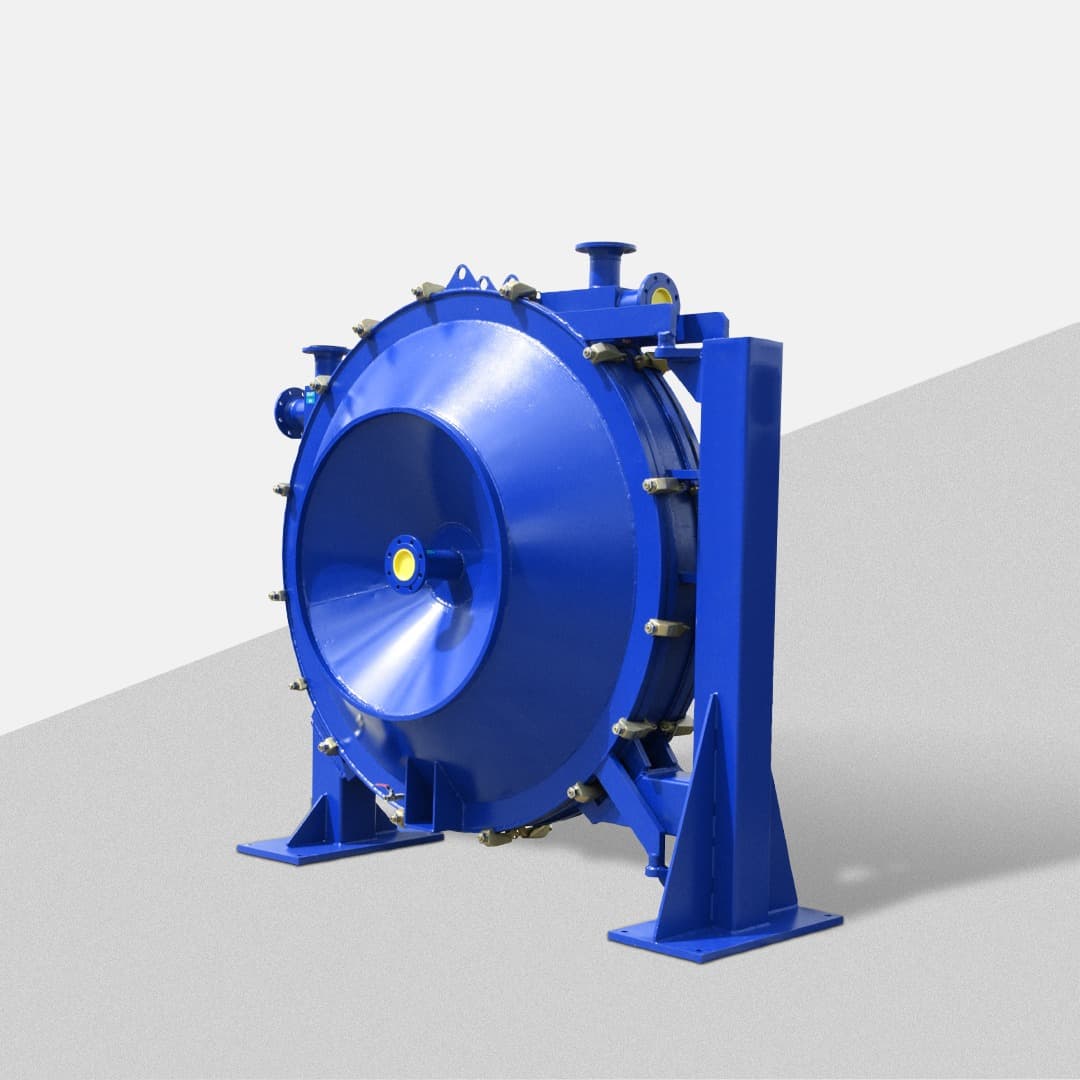
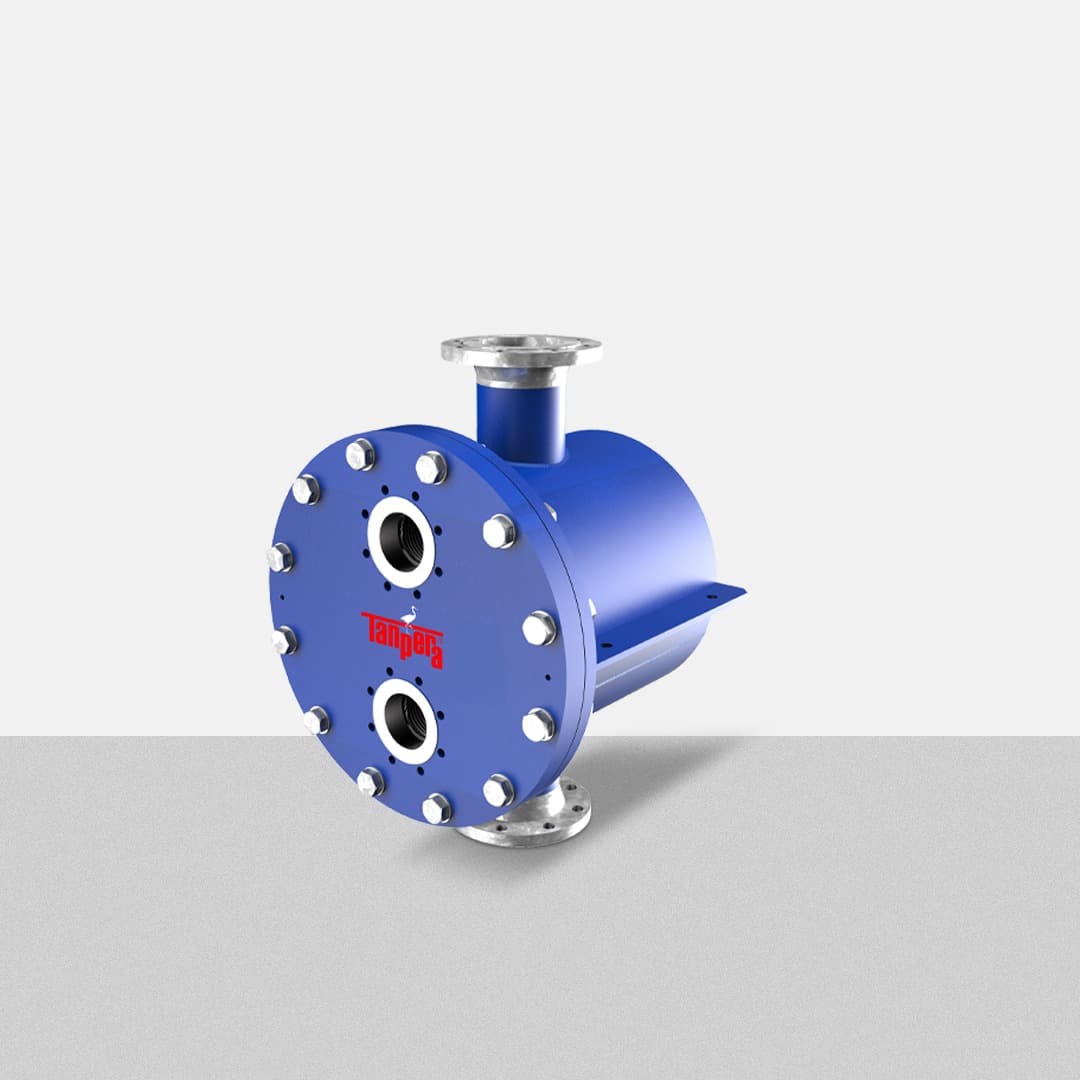
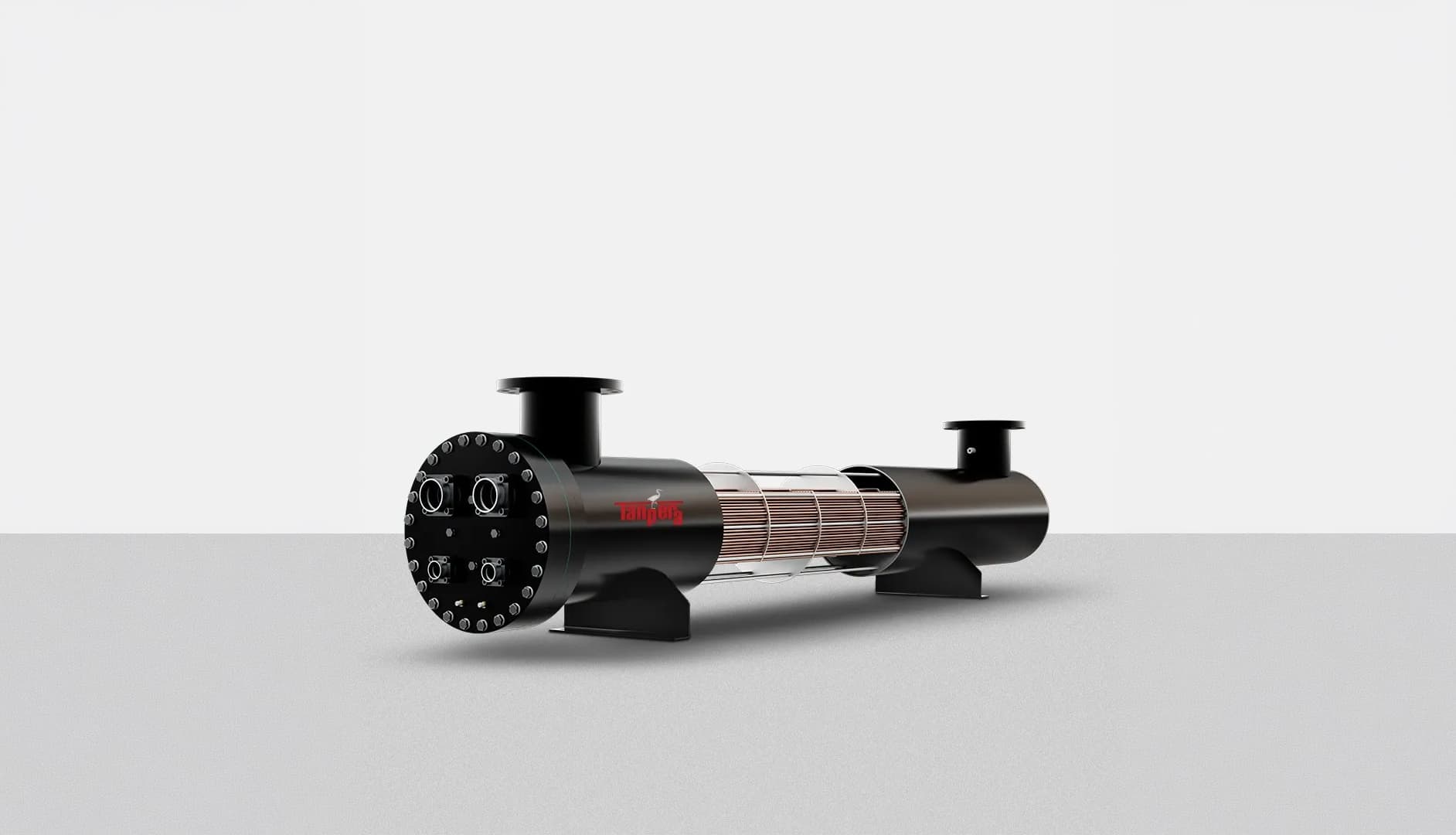
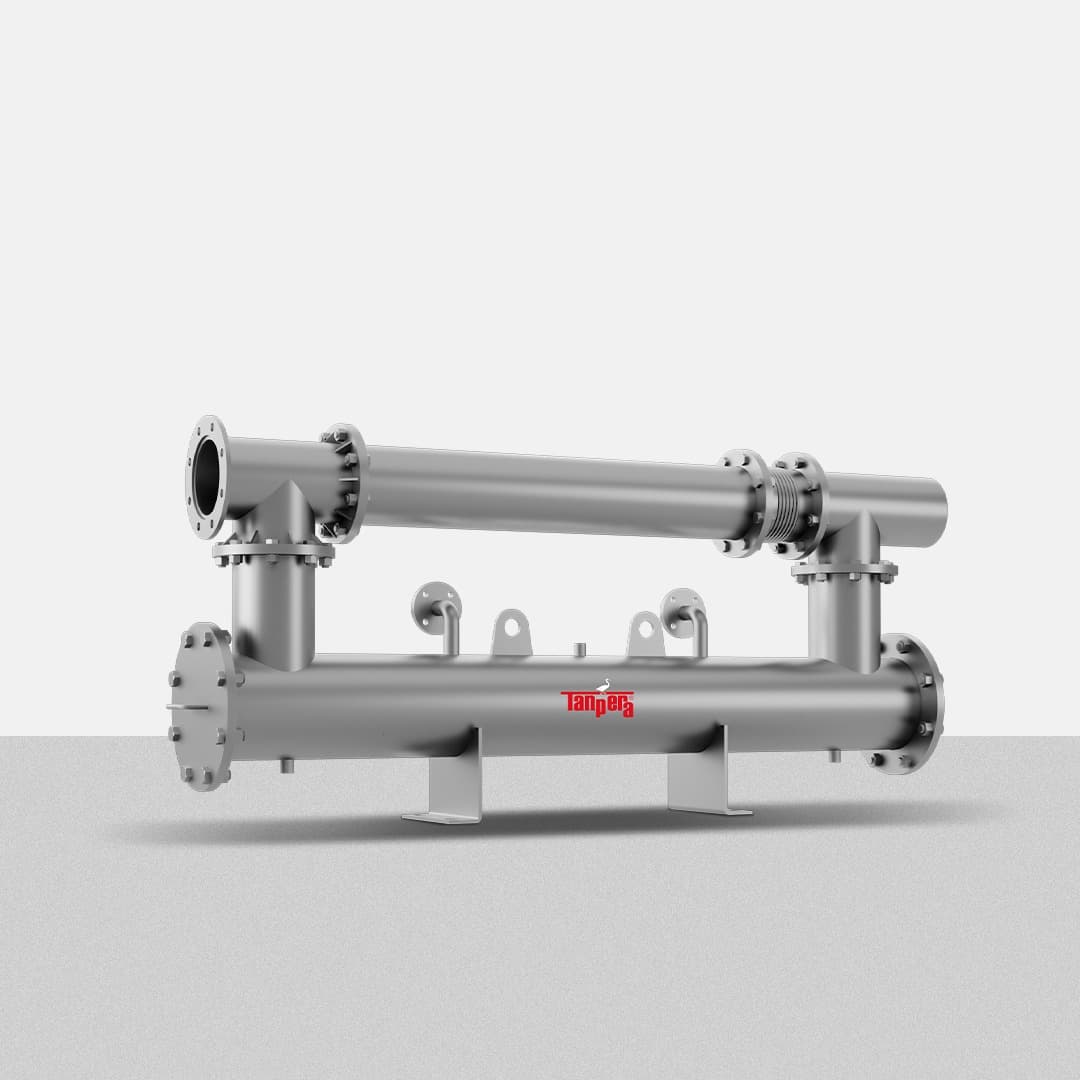
TANPERA Exhaust Gas (Waste Heat) Heat Exchanger is used to recover heat or produce hot water from high-temperature gases discharged from diesel, coal, biogas, and other solid- or gas-fueled engine and boiler exhausts.
About Exhaust Gas (Waste Heat) Heat Exchanger
TANPERA Exhaust Gas (Waste Heat) Heat Exchanger is used to recover heat or produce hot water from high-temperature gases discharged from diesel, coal, biogas, and other solid- or gas-fueled engine and boiler exhausts.
The product has a shell & tube exchanger architecture.
Why Shell & Tube Design?
In high-temperature exhaust and waste gases, accumulation of particles, soot, and sediment degrades heat transfer surfaces. Shell & tube construction is more tolerant of gas-side fouling; performance is preserved over the long term through mechanical/chemical cleaning and tube bundle maintenance.
Operating Conditions and Material Selection
Water condensation can occur in this temperature range; the corrosive effect of condensate can cause serious damage on carbon steel and low-alloy surfaces.
Advantages
Low fouling
Fouling on surfaces contacted by the waste gas is minimized; shell & tube construction offers a more fouling-resistant operating profile in exhaust applications.
Energy savings
Waste heat in the exhaust is recovered to produce process water or domestic hot water; fuel consumption and operating cost decrease, and overall plant efficiency increases.
Corrosion resistance
Especially in natural gas cooling scenarios ≤130 °C, AISI 316 provides a safe design against condensate corrosion.
Key Features
- Heat recovery from diesel, coal, biogas, and natural gas exhaust / waste gas.
- Shell & tube construction — high durability and low fouling effect in exhaust applications.
- Typical gas temperatures: ~180 °C in biogas, ~130 °C+ in coal/natural gas boilers.
- Gas contact surfaces: carbon steel / AISI 304 / AISI 316.
- AISI 316 required for natural gas cooling ≤130 °C (condensate corrosion).
- Project-based sizing for hot water production or process heating.
Installation and Commissioning
The Tanpera technical team provides on-site support and training.
After-Sales Services
The Tanpera service network supplies spare tube bundle elements, gasket sets, and maintenance services throughout the project life.
Our technical team works with project teams for on-site commissioning, operator training, and fault response.
- Periodic maintenance and fouling / cleaning planning
- Spare parts and gasket supply
- Commissioning, training, and on-site technical support
- Performance checks and operating recommendations
Frequently Asked Questions
It is a heat recovery device that transfers heat from high-temperature exhaust / waste gas from fuels such as diesel, coal, biogas, or natural gas to process water or domestic hot water through a shell & tube exchanger. Heat exchange takes place without the gas and water/heating fluid mixing.
In exhaust applications, shell & tube exchangers are more durable than other types and are least affected by fouling on surfaces contacted by the waste gas. Fouling-tolerant operation and maintenance access provide long-term performance continuity.
Surfaces in contact with the gas are at least carbon steel quality; AISI 304 or AISI 316 stainless steel options are offered. If natural gas is to be cooled to 130 °C or below, gas contact surfaces must be AISI 316 due to condensate corrosion.
In biogas plants, waste gas temperature is typically around 180 °C. In coal and natural gas boilers it is generally above 130 °C. Actual values vary with fuel, load, and flue system design.
It is used for waste heat recovery with hot water or process heating in biogas plants, natural gas and coal boilers, industrial diesel/gas engines, chemical-petrochemical processes, and power plants.
By recovering heat that would otherwise be rejected to the exhaust, it reduces fuel consumption and operating cost. Its low-fouling characteristic helps preserve heat transfer efficiency longer and delivers measurable energy savings across the plant.
Gas flow rate and composition, inlet-outlet temperatures, allowable pressure drop, target water flow/temperature, fuel type (especially condensation risk with natural gas), and installation constraints are required. The Tanpera engineering team determines material and capacity selection together.
Periodic inspection and, when needed, mechanical/chemical cleaning should be planned according to gas-side fouling risk. In low-temperature applications where condensate may form, drainage and material integrity are monitored regularly. The Tanpera service network provides maintenance and spare parts support.
You can download or view the relevant PDF documents from the Documents tab on the product page. Up-to-date technical content is published regularly in this section.
You can submit your project details via the Quote Form on the product page, or contact our sales team at sales@tanpera.com. Our engineering team will contact you for sizing based on gas data and material selection.