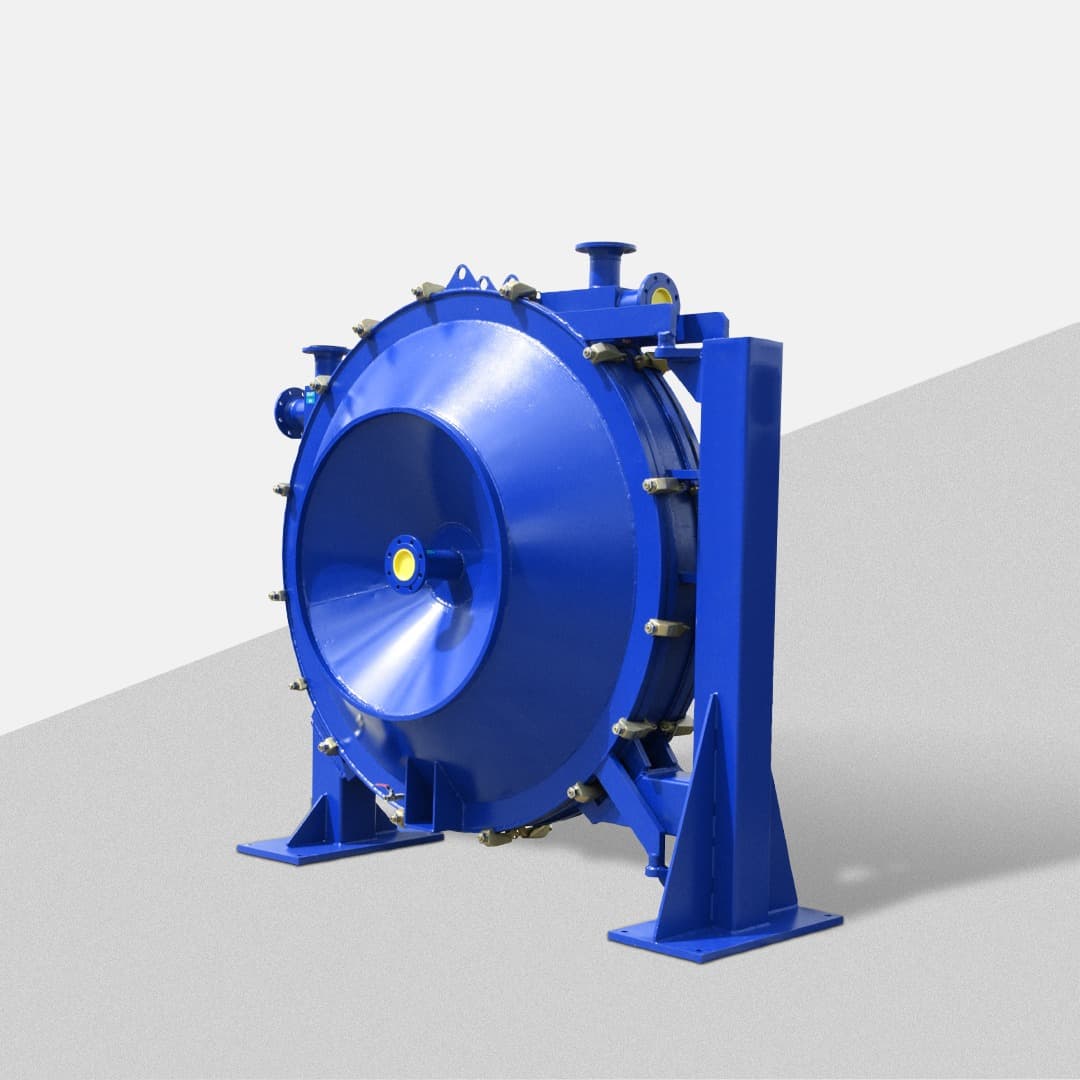


Shell & Plate Heat Exchanger Application Guide
Shell & Plate Heat Exchanger Application Guide applications are engineered by Tanpera to balance heat-transfer performance with process safety, service access and energy efficiency—supporting stable operation under real plant conditions.
Key takeaways
- Shell & Plate Heat Exchanger Application Guide applications are engineered by Tanpera to balance heat-transfer performance with process safety, service access and energy efficiency—supporting stable operation under real plant conditions.
- Design duty and safety factor must be defined in the same thermal-hydraulic model.
- Corrosion and fouling tendency of the process fluids must be assessed and suitable materials selected.
- The recommended heat exchanger arrangement should be backed by service access and a redundancy plan.
- During initial commissioning, the control strategy should be re-tuned against real field data.
Shell & Plate Heat Exchanger Application Guide — engineering priorities
For sustainable process-side performance, the following topics should be addressed together.
- Design duty and safety factor must be defined in the same thermal-hydraulic model.
- Corrosion and fouling tendency of the process fluids must be assessed and suitable materials selected.
- The recommended heat exchanger arrangement should be backed by service access and a redundancy plan.
- During initial commissioning, the control strategy should be re-tuned against real field data.
- Heat-recovery points, total cost of ownership and payback period should be analysed together.
- Spare-parts and service plans for critical equipment must stay aligned with the production schedule.
Shell & Plate Heat Exchanger Application Guide — process points
Typical circuit steps evaluated in this application:
| Process step | Heat-transfer duty | Recommended equipment |
|---|---|---|
| 1. Load Mapping | Hourly and seasonal heat loads are classified and bottleneck equipment is identified for this duty. | Gasketed plate heat exchanger |
| 2. Heat-Transfer Design | Thermal area is selected for the target approach temperature to balance performance, service access and energy efficiency. | Brazed plate heat exchanger |
| 3. Circuit Integration | Bypass, control-valve and pump scenarios are arranged by operating mode; stability is preserved at part load. | Vacuum degasser |
| 4. KPI & Maintenance Management | Approach temperature, pressure drop and energy indicators are trended; cleaning and service intervals are planned from data. | Gasketed plate heat exchanger |
Design Parameters
Minimum engineering inputs for sizing:
- Hot/cold-side flow rates and inlet/outlet temperatures (°C)
- Fluid type, viscosity, corrosion class and fouling profile
- Design pressure (PN class) and maximum operating temperature
- Cleaning method: CIP, mechanical plate cleaning or periodic service
- Installation orientation, flange class and existing line pressure
- Capacity reserve and future load-growth planning
Tanpera Approach
End-to-end support matched to project and operating needs:
- Project-based thermal and hydraulic sizing
- Site installation, commissioning and performance testing
- Process integration backed by sector reference experience
- After-sales spare plates, gaskets and service network
Recommended Tanpera Products
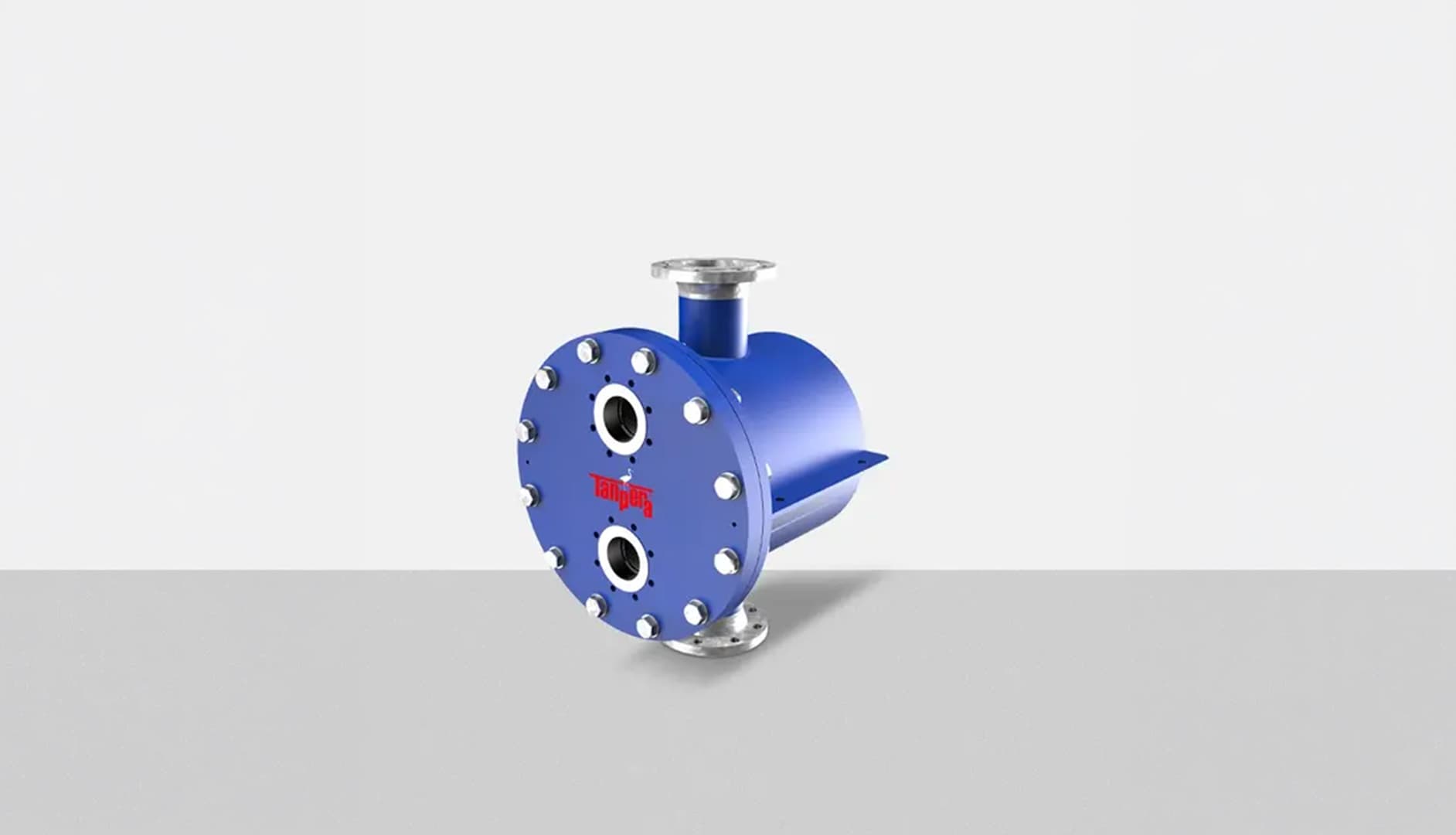
Shell & Plate Heat Exchangers
Cassette plate solution for particle-laden fluids and high pressure/temperature conditions.
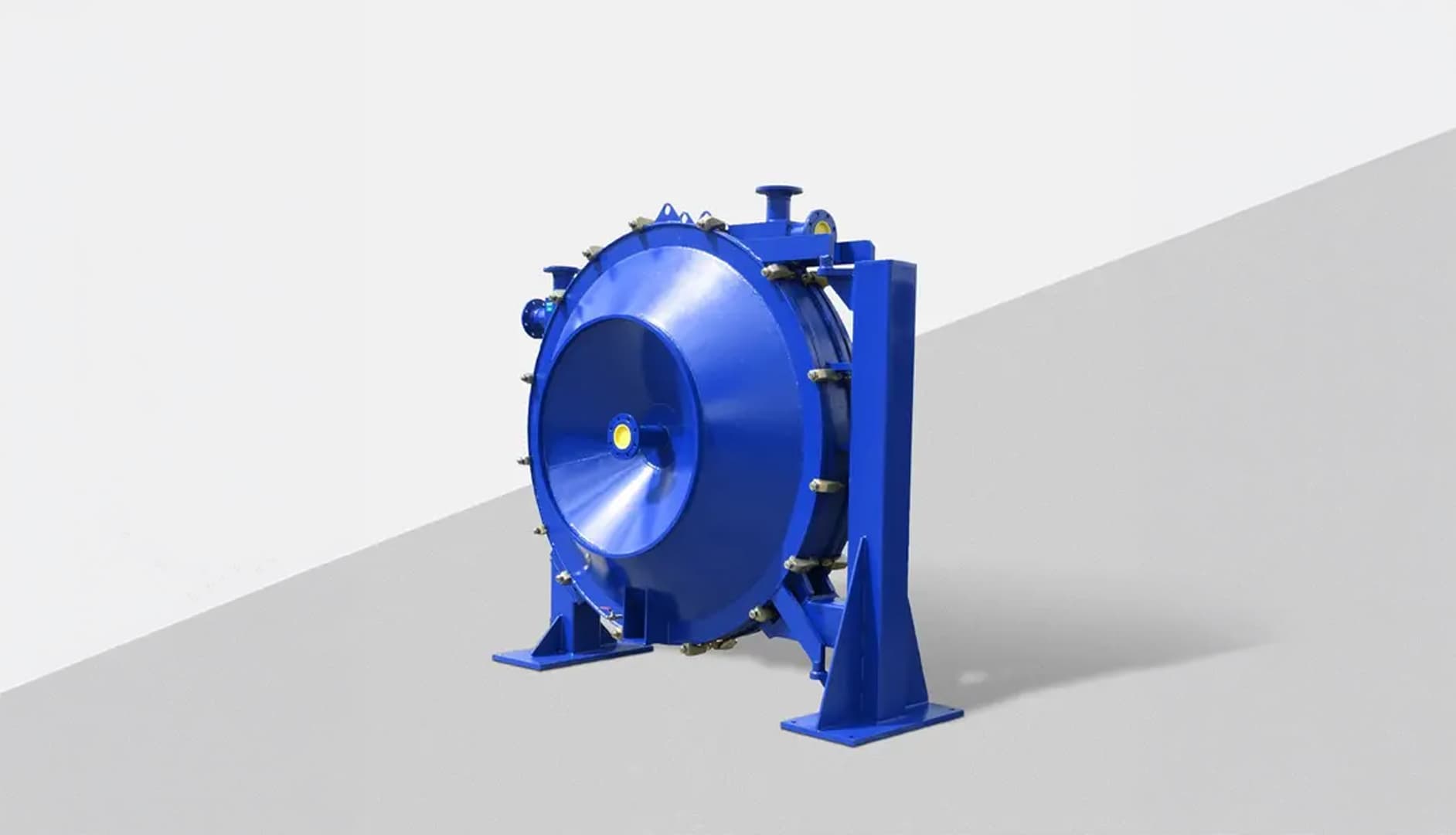
Spiral Heat Exchangers
Reliable heat transfer for dirty, fibrous and high-viscosity fluids.
Equipment Selection Notes
Recommended equipment groups for this application:
- Gasket/material selection must follow fluid chemistry and temperature profile.
- Maintenance intervals on plate circuits should be tracked against pressure-drop trends.
- Where buffer tanks are used, automation alarms should stage by approach-temperature deviation.
- Performance tracking in the first 90 days after commissioning helps prevent long-term efficiency loss.
Related Solution Center Articles
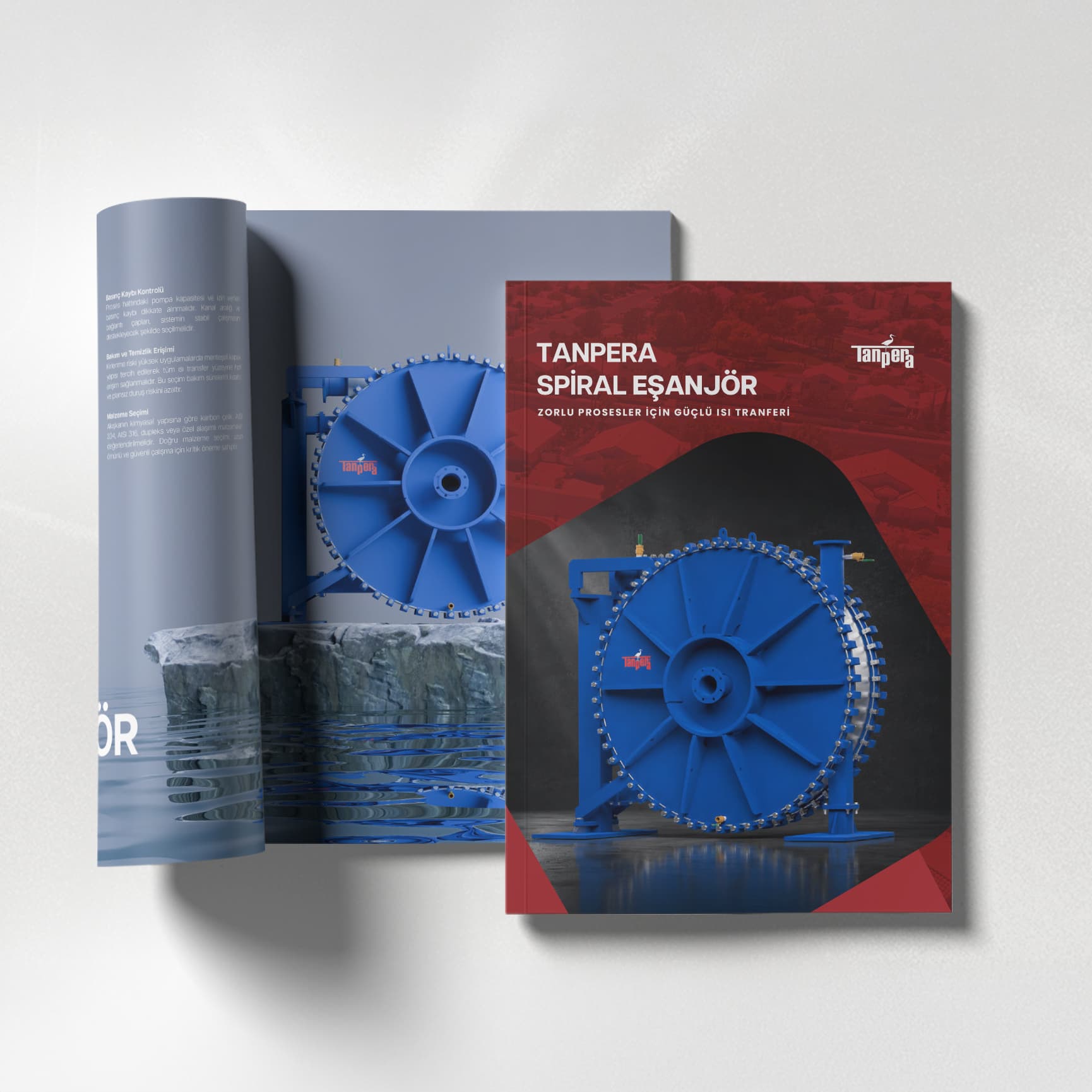
Explore the detailed brochure
Find Tanpera product groups, technical advantages and application recommendations in the brochure.
- Product groups
- Technical advantages
- Application recommendations
References & standards
- ISO 9001:2015 — Quality management systems — Quality reference for production and project processes
Frequently Asked Questions
In Shell & Plate Heat Exchanger Application Guide projects, what is the first design criterion?
Validate the process target against a quantified load profile and set approach-temperature and pressure-drop limits together for the relevant fluid circuits.
Which heat exchanger type is prioritised in this application?
The primary type follows fluid character, fouling tendency and maintenance strategy; hybrid arrangements with complementary equipment are used where duty profiles require it.
How are fouling and performance loss managed?
Online temperature-difference monitoring, periodic approach analysis and planned cleaning windows catch heat-transfer coefficient drift early, reducing unplanned downtime risk.
Which methods are applied to reduce energy consumption?
Load matching, recovery integration and flow-control optimisation are addressed together to reduce energy per unit of product.