





Heat Exchangers in Natural Gas Processing Plants
Heat Exchangers in Natural Gas Processing Plants — Tanpera engineering guidance covering process requirements, design criteria and recommended equipment.

Key takeaways
- Heat Exchangers in Natural Gas Processing Plants — Tanpera engineering guidance covering process requirements, design criteria and recommended equipment.
- Compressor interstage/intercooler circuits must optimize gas outlet temperature and pressure drop together
- NGL fractionation condenser and reboiler circuits require verified thermal matching
- MEG/TEG dehydration glycol heating–cooling circuits must be selected for the corrosion class
- AGRU amine reboiler and cooler circuits must be assessed for leak risk and material compatibility
Critical Heat-Transfer Points in Natural Gas Processing
Heat exchangers on gas-processing lines directly affect compressor efficiency, product specification and utilities cost:
- Compressor interstage/intercooler circuits must optimize gas outlet temperature and pressure drop together
- NGL fractionation condenser and reboiler circuits require verified thermal matching
- MEG/TEG dehydration glycol heating–cooling circuits must be selected for the corrosion class
- AGRU amine reboiler and cooler circuits must be assessed for leak risk and material compatibility
- Gas preheating and waste-heat recovery points must be integrated into the plant energy balance
- Maintenance clearance and flange orientation on modular skids should be planned early
Natural Gas Processing Units
Critical heat-transfer circuits in gas-processing plants:
| Process step | Heat-transfer duty | Recommended equipment |
|---|---|---|
| Gas compression cooling | Compressor interstage/intercooler | Spiral heat exchanger |
| Gas sweetening (AGRU) | Amine cooler and reboiler | Spiral / shell & tube heat exchanger |
| NGL fractionation | Condenser and reboiler circuits | Spiral heat exchanger |
| Dehydration / MEG | Glycol heating–cooling | Gasketed plate heat exchanger |
| Gas preheating | Process heat recovery | Spiral heat exchanger |
At high pressure classes (PN 40–100), material and flange selection follows project standards.
Design Parameters
Minimum engineering inputs for sizing:
- Hot/cold-side flow rates and inlet/outlet temperatures (°C)
- Fluid type, viscosity, corrosion class and fouling profile
- Design pressure (PN class) and maximum operating temperature
- Cleaning method: CIP, mechanical plate cleaning or periodic service
- Installation orientation, flange class and existing line pressure
- Capacity reserve and future load-growth planning
Tanpera Approach
End-to-end support matched to project and operating needs:
- Project-based thermal and hydraulic sizing
- Site installation, commissioning and performance testing
- Process integration backed by sector reference experience
- After-sales spare plates, gaskets and service network
Recommended Tanpera Products
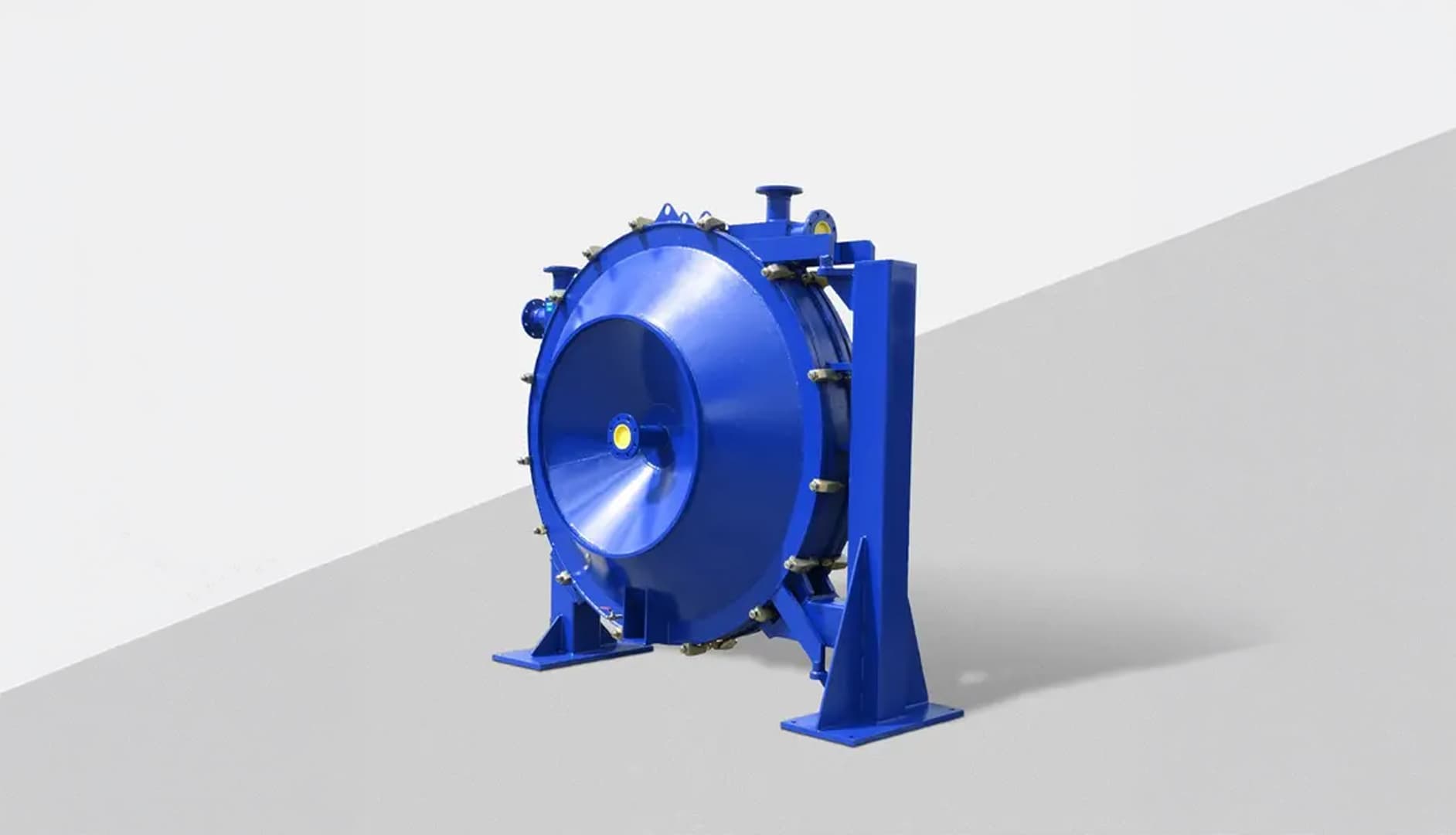
Spiral Heat Exchangers
Reliable heat transfer for dirty, fibrous and high-viscosity fluids.
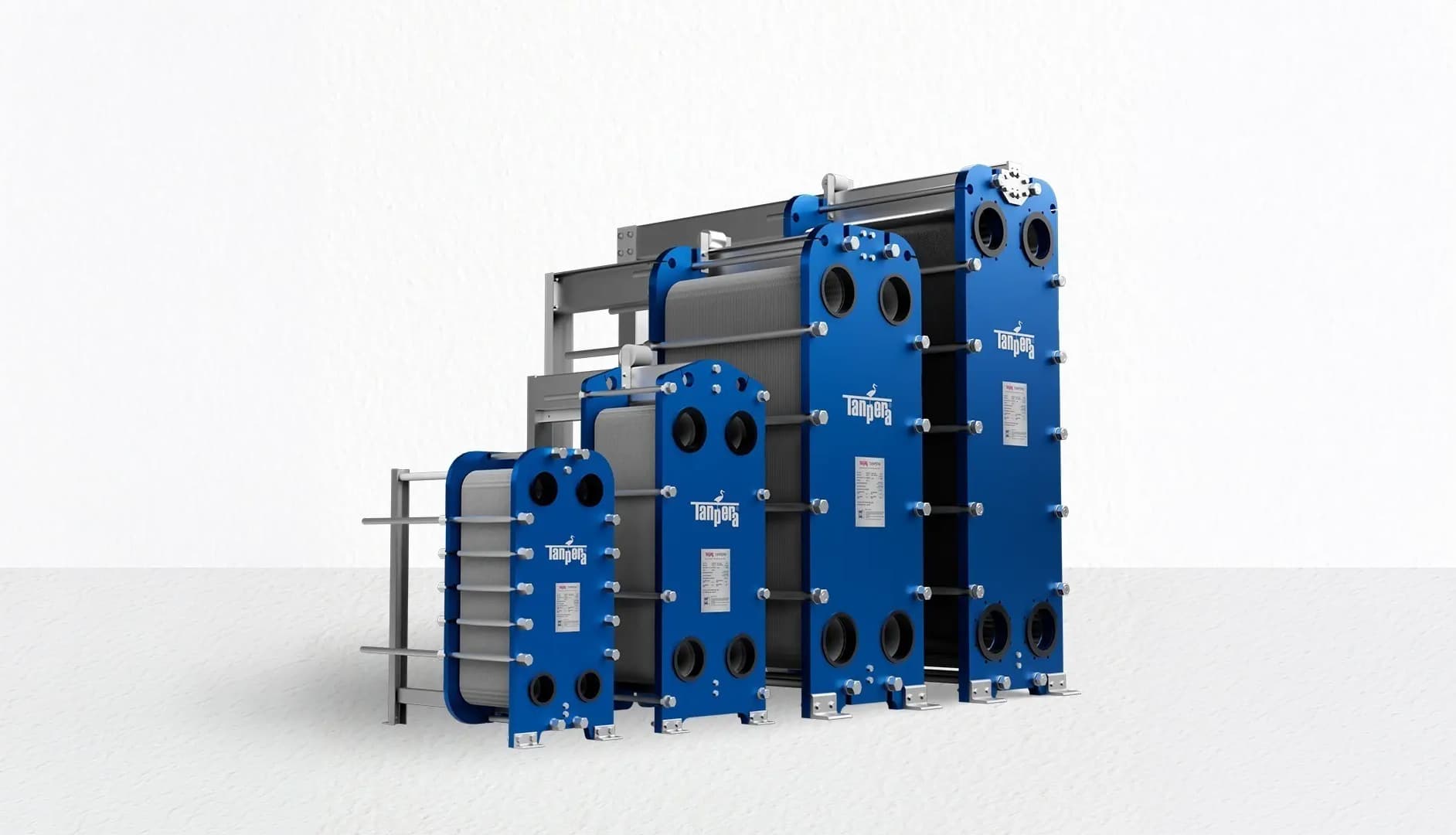
Gasketed Plate Heat Exchanger
Modular plate pack, wide capacity range and easy maintenance. High-efficiency heat transfer for HVAC and industrial process duties.
Sector Sub-Topics
Use this hub page to move into detailed process articles:
General Guides
Equipment Selection Notes
Recommended equipment groups for this application:
- For shell & tube heat exchangers, gasket/material selection must follow fluid chemistry and temperature profile.
- Gasketed plate heat exchanger circuits should have maintenance intervals tracked against pressure-drop trends.
- Economizer lines should stage automation alarms by approach-temperature deviation.
- Performance tracking in the first 90 days after commissioning is critical to prevent long-term efficiency loss.
Related Application Areas
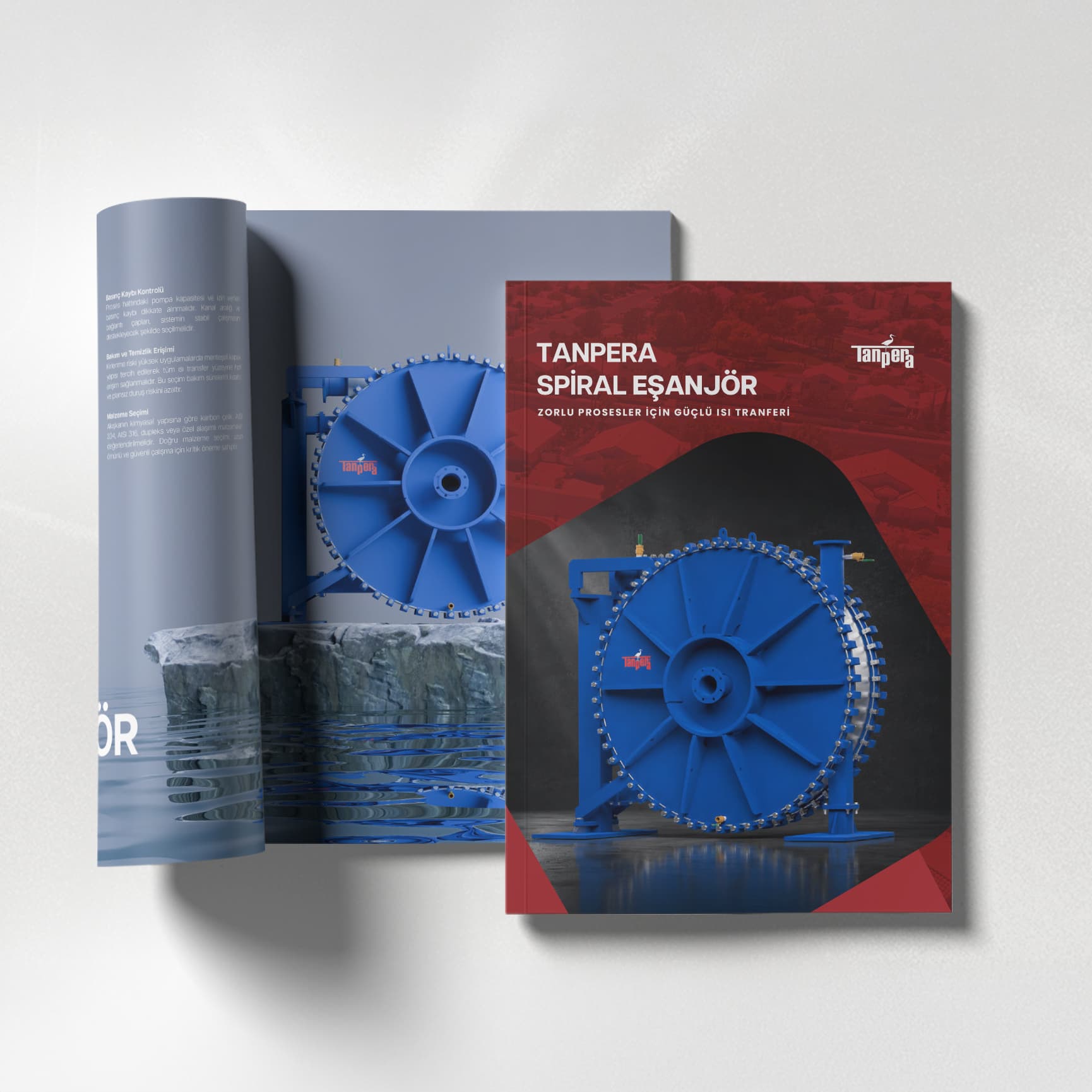
Explore the detailed brochure
Find Tanpera product groups, technical advantages and application recommendations in the brochure.
- Product groups
- Technical advantages
- Application recommendations
References & standards
- PED 2014/68/EU — Pressure Equipment Directive — Pressure equipment conformity framework
- ISO 9001:2015 — Quality management systems — Tanpera quality management system reference
Frequently Asked Questions
Which heat exchanger types are used in natural gas plants?
High-pressure gas and hydrocarbon circuits commonly use spiral heat exchangers; glycol and utilities circuits typically use gasketed plate heat exchangers. The Tanpera engineering team selects the type from pressure class, fluid phase and fouling profile.
What are the design criteria for compressor cooling circuits?
Gas flow rate, inlet–outlet temperatures, operating pressure, condensate formation and allowable pressure drop are the core inputs. Intercooler performance directly affects compressor power consumption.
Why is material selection critical on AGRU and amine circuits?
Acid gas and amine solutions create a corrosive environment. Plate material (316L, titanium or nickel alloy) and gasket type must be specified to match the process chemistry.
What support does Tanpera provide on natural gas projects?
Thermal–hydraulic sizing, material selection, skid integration, commissioning and turnaround service planning are provided.