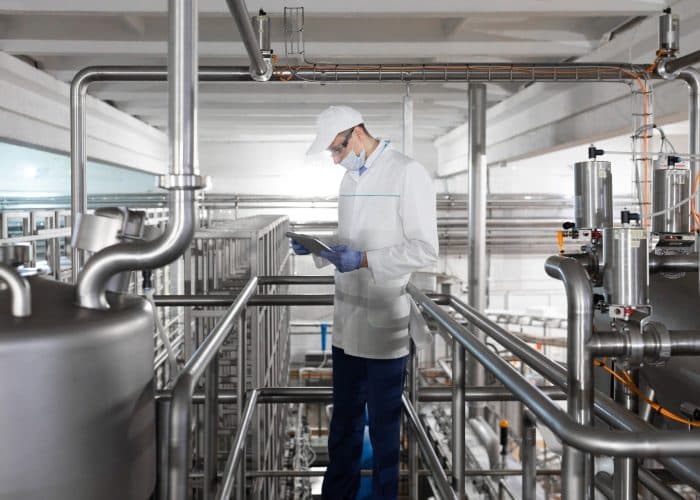


Food and Beverage Process Heat Exchangers
Food and Beverage Process Heat Exchangers — Tanpera engineering guidance covering process requirements, design criteria and recommended equipment.

Key takeaways
- Food and Beverage Process Heat Exchangers — Tanpera engineering guidance covering process requirements, design criteria and recommended equipment.
- Fast, controlled heat transfer in pasteurization and cooling steps
- CIP-compatible channel geometry and material selection
- Product–service side sealing integrity and gasket material compatibility
- Protecting product quality under short-duration high ΔT
Heat-Transfer Requirements in Food Processes
On hygienic lines, the following criteria are addressed together.
- Fast, controlled heat transfer in pasteurization and cooling steps
- CIP-compatible channel geometry and material selection
- Product–service side sealing integrity and gasket material compatibility
- Protecting product quality under short-duration high ΔT
- Viscosity profiles specific to milk, juice, beer and beverage lines
- Maintenance access suitable for periodic hygiene audits
Process Steps and Equipment
Typical food–beverage lines:
| Process step | Heat-transfer duty | Recommended equipment |
|---|---|---|
| Pasteurization | Product heating / hold / cooling | Gasketed or brazed plate heat exchanger |
| Beer cooling | Wort and mash temperature control | Brazed plate heat exchanger |
| Fruit juice | Flash cooling and pre-storage cooling | Gasketed plate heat exchanger |
| CIP circuit | Chemical solution heating | Gasketed plate heat exchanger (AISI 316) |
Design Parameters
Minimum engineering inputs for sizing:
- Product flow rate, pasteurization temperature profile and hold time
- CIP chemical type, concentration and flow velocity
- Plate material (AISI 316) and food-grade gasket selection
- Product-side vs service-side design pressure
- Hygiene audit and traceability requirements
- Seasonal capacity-increase planning
Tanpera Approach
End-to-end support matched to project and operating needs:
- Project-based thermal and hydraulic sizing
- Site installation, commissioning and performance testing
- Process integration backed by sector reference experience
- After-sales spare plates, gaskets and service network
Recommended Tanpera Products
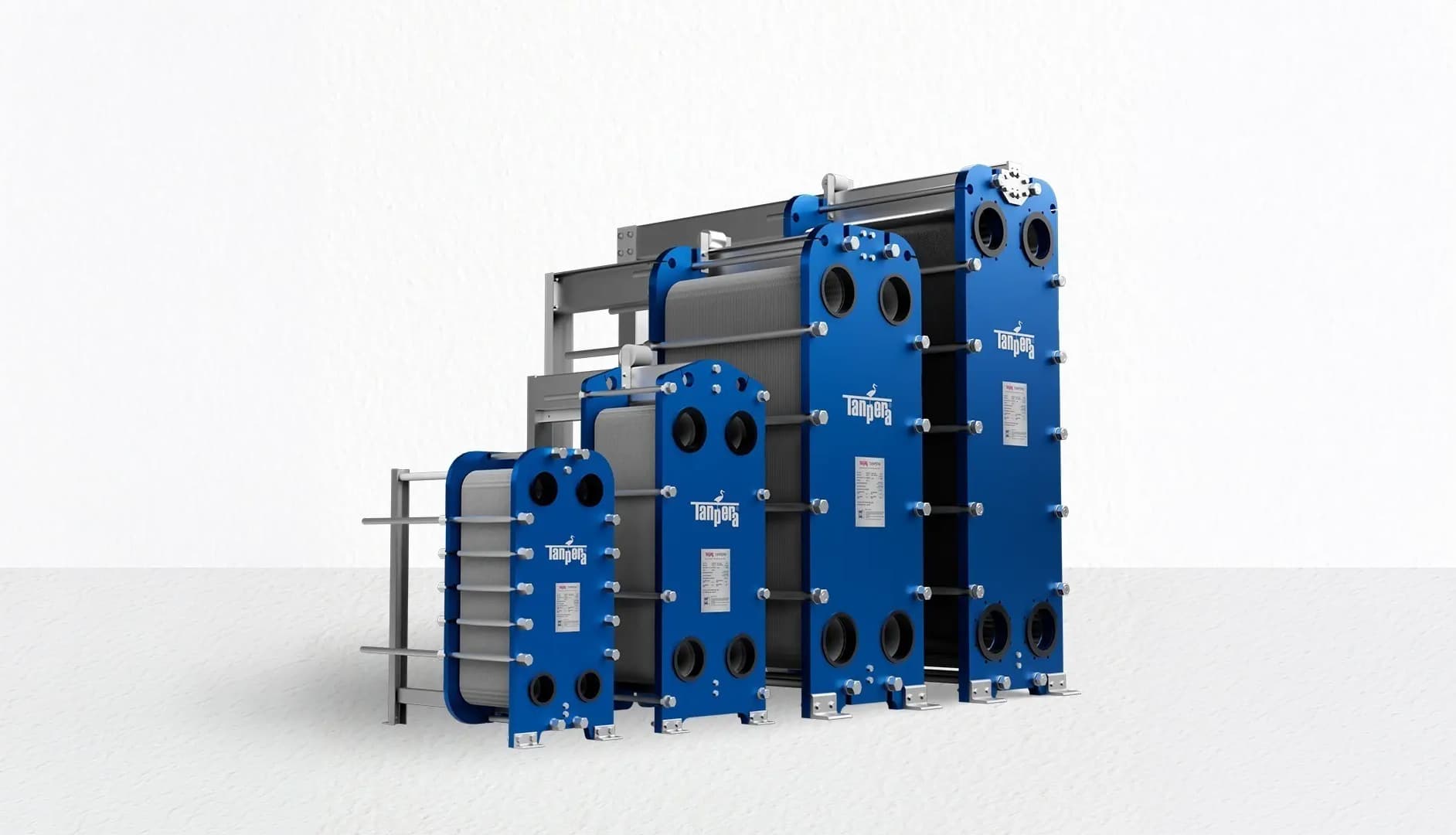
Gasketed Plate Heat Exchanger
Modular plate pack, wide capacity range and easy maintenance. High-efficiency heat transfer for HVAC and industrial process duties.
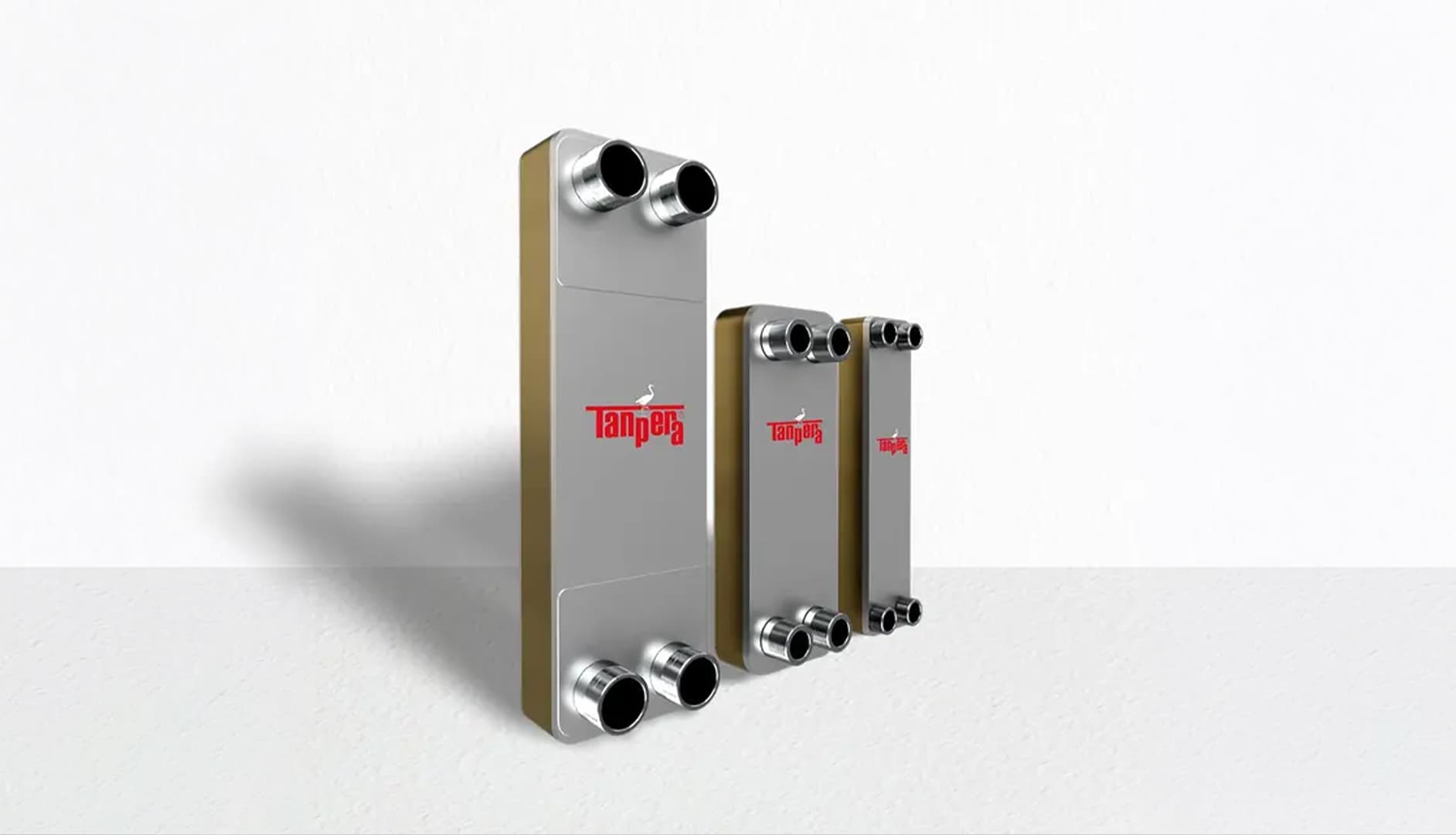
Steel Brazed Plate Heat Exchanger
Compact, gasket-free construction. A reliable solution for secondary circuits and tight installation spaces.
Equipment Selection Notes
Recommended equipment groups for this application:
- Food-grade applications prefer AISI 316 plates and FDA/EC-compliant gaskets
- Brazed heat exchangers on compact beer/cooling circuits need no gasket maintenance
- Gasketed models allow mechanical cleaning under heavy fouling
- Fast gasket/plate service should be planned to minimize line downtime
Related Solution Center Articles
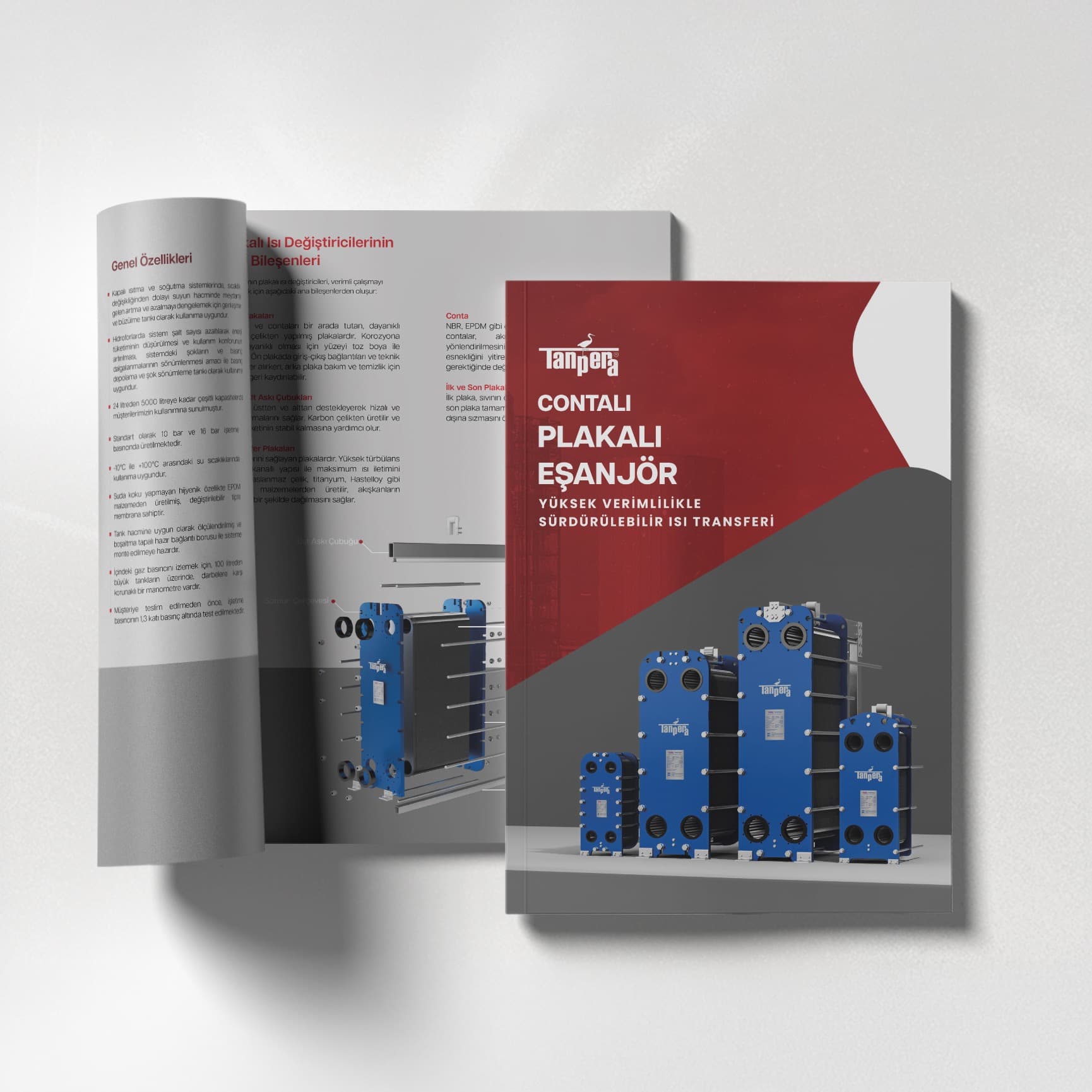
Explore the detailed brochure
Find Tanpera product groups, technical advantages and application recommendations in the brochure.
- Product groups
- Technical advantages
- Application recommendations
References & standards
- ISO 9001:2015 — Quality management systems — Quality reference for production and project processes
Frequently Asked Questions
Should gasketed or brazed exchangers be preferred in food processes?
Choose gasketed when periodic mechanical cleaning and capacity flexibility are required; choose brazed on compact, clean circuits where gasket maintenance is not wanted.
Which materials are used in a pasteurization heat exchanger?
AISI 316 stainless-steel plates and food-grade gaskets (EPDM, NBR or Viton) matched to fluid temperature are the standard selection.
How is CIP compatibility ensured?
Channel velocity, plate gap and gasket design are optimized for CIP fluid velocity. Gasketed models remain advantageous when heavy fouling requires disassembly.
Which data are needed for sizing?
Product flow rate, pasteurization temperature profile, hold time, cooling target and CIP chemical information form the minimum input set.